Skip to content


Les légumes surgelés sont-ils toujours une déception molle et pâteuse ? Ces aliments pratiques et indispensables regorgent en réalité de nutriments. Malheureusement, une cuisson inappropriée entraîne souvent des repas aqueux et insipides. De nombreux cuisiniers à domicile peinent à maîtriser cette technique. Dans cet article, vous découvrirez des techniques de cuisson parfaites. Découvrez dès aujourd'hui des méthodes simples pour obtenir des résultats croustillants et pleins de vitalité.
Why Choose Premium Frozen Vegetables?
Before mastering how to cook frozen vegetables, we must understand their true value. Many people assume fresh produce is always superior. They are often mistaken about this fact.
Premium frozen options offer incredible advantages for everyday cooking.
Nutritional Benefits
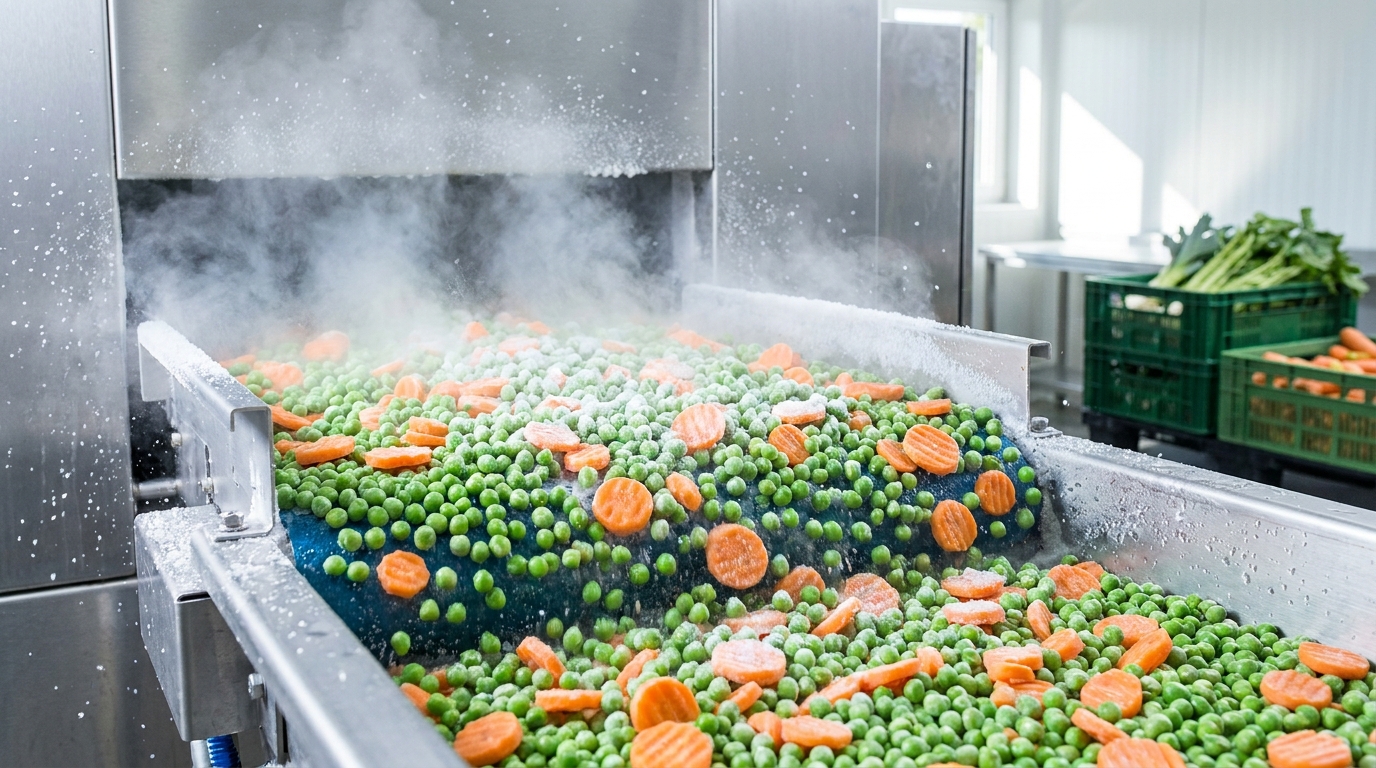
Farms harvest these veggies at their absolute peak ripeness. Then, they use a rapid flash-frozen process. Extreme cold locks in essential vitamins and minerals immediately. Fresh produce often travels in trucks for days. It slowly loses vital nutrients along the way. Frozen options keep their nutritional integrity completely intact.
Unmatched Convenience
You can skip tedious kitchen prep work entirely. These items arrive pre-washed, pre-chopped, and ready to cook. You save valuable time during busy weeknight dinners. Plus, you drastically reduce household food waste. You simply pour out exactly what you need. The rest goes right back into the freezer.
The Importance of Quality Sourcing
The secret to a great meal lies in quality sourcing. Not all frozen vegetables provide the same results. You want products from highly reliable sources. Take JSVEG, a core subsidiary of JCOF, for example. They specialize in producing and exporting premium frozen and dehydrated produce. They utilize modern production facilities to maintain exceptional quality from farm to table.
Safety and International Standards
Whether you are cooking frozen broccoli or sweet corn, safety standards matter immensely. Strict quality control guarantees the safest ingredients for your family. JSVEG ensures all products meet rigorous international standards. These include HACCP, BRC, ISO, and HALAL certifications. Choosing facilities meeting these strict benchmarks means getting top-tier ingredients every single time.
How to Roast Frozen Vegetables in the Oven
We just covered the importance of sourcing safe, premium ingredients. Now, let’s turn those high-quality items into a delicious meal. When people ask how to cook frozen vegetables, roasting is usually my top recommendation.
Why Roasting Works Best
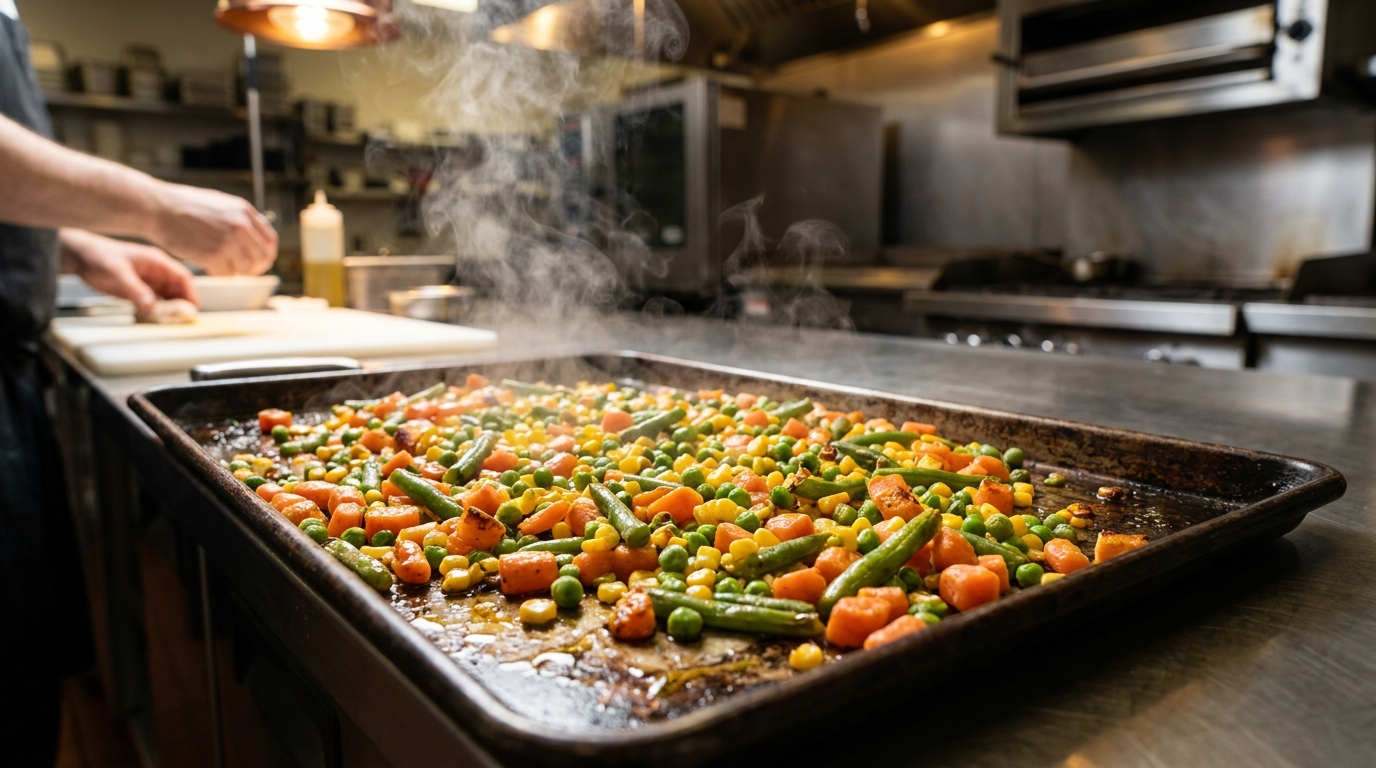
High heat is your best friend here. Temperatures between 400°F and 450°F evaporate excess moisture rapidly. This intense heat prevents soggy, mushy results. Instead, it triggers the Maillard reaction. This chemical process creates delicious caramelization. You get beautifully browned, crispy edges every single time.
Essential Roasting Steps and Tips
Perfect roasting requires a few simple rules. Follow this quick guide for the best texture and flavor.
| Étape | Action Required | Why It Matters |
|---|---|---|
| 1. Keep Them Frozen | Never thaw them before cooking. | Cooking straight from the freezer preserves the cell structure. Thawing guarantees mushiness. |
| 2. Heat the Pan | Place your baking sheet in the oven while preheating. | Tossing cold food onto a screaming-hot pan creates an immediate sear. It stops sticking. |
| 3. Add Oil | Toss them in 1 to 2 tablespoons of oil. | Oil helps seasonings stick. Use high-smoke-point options like avocado or grapeseed oil. |
| 4. Space Them Out | Leave a 1/2 inch of space between pieces. | Overcrowding traps moisture. Trapped moisture creates steam. Steam destroys crispiness. |
The Best Candidates for the Oven
Hearty produce handles high oven temperatures beautifully. Denser items take the full 30 minutes to roast properly. Smaller florets might finish in just 15 to 20 minutes.
This method transforms frozen brussel sprouts into a crispy, savory delight. You can also roast frozen carrots to bring out their natural sweetness. Toss them directly from your freezer bag. Add your oil, salt, and garlic powder. Then, let the hot oven do all the hard work.
How to Cook Frozen Vegetables in an Air Fryer
We just explored the magic of oven roasting. It creates beautiful caramelization on baking sheets. But what if you need a faster method? When figuring out how to cook frozen vegetables quickly, an air fryer is your next best tool.
The Air Fryer Advantage
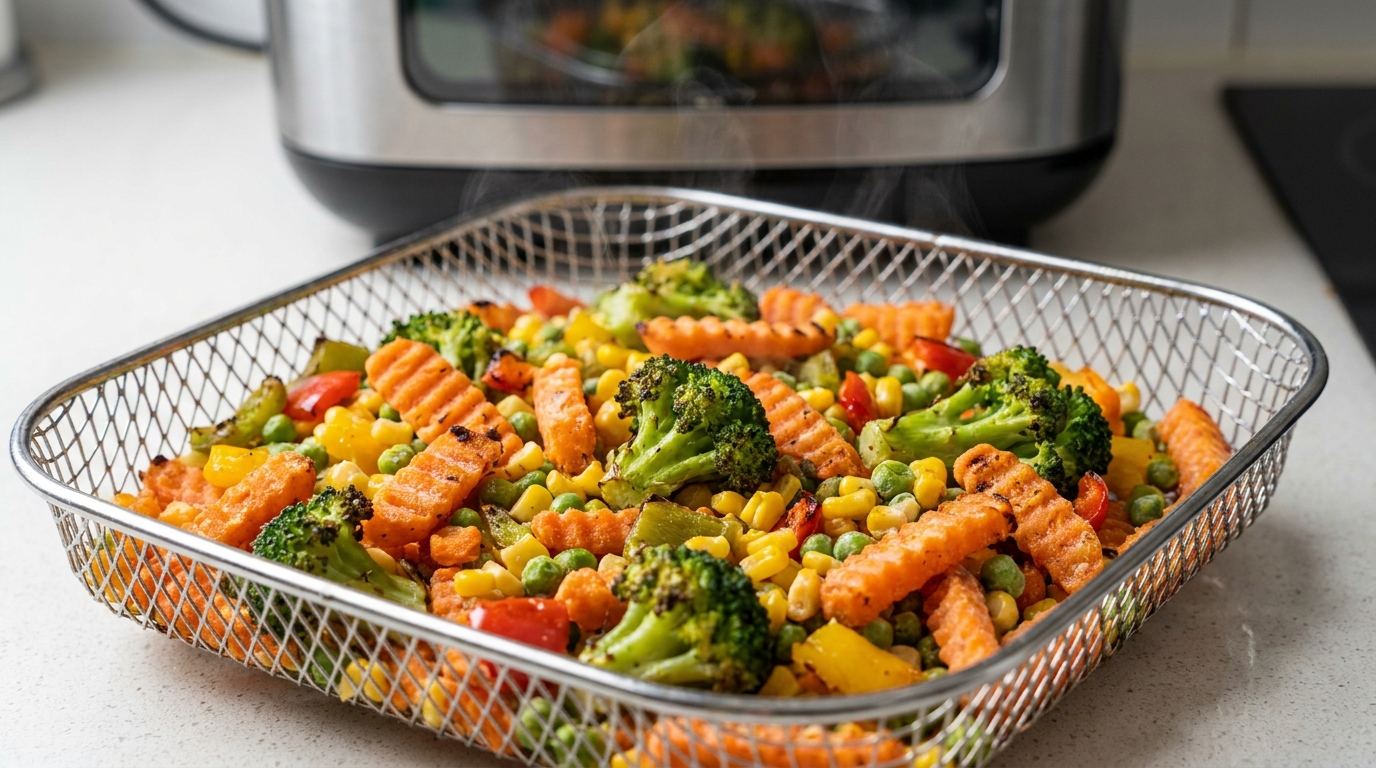
It offers a fast, energy-efficient cooking alternative. You get incredibly crispy results every time. You achieve this without deep frying. Rapid air circulation does the heavy lifting here. It mimics the high-heat environment of traditional ovens. However, it works much faster for busy nights.
Preparing Your Veggie Mix
Preparing your food is incredibly simple. Remember our golden rule from earlier. Never thaw your produce before cooking. Grab your air fryer veggie mix directly from the freezer. Premium suppliers like JSVEG use an individually quick frozen process. This prevents large ice blocks from forming inside. Their produce separates easily right out of the bag.
Toss the icy pieces in a bowl. Add one tablespoon of high-smoke-point oil. Avocado or grapeseed oil works perfectly. The oil acts as a helpful binder. It helps your salt and spices stick better.
Temperature and Timing Requirements
You must set your machine properly. Aim for temperatures between 375°F and 400°F. This specific heat level prevents soggy steaming. It ensures rapid moisture evaporation instead.
Here is a quick reference guide for timing:
| Vegetable Type | Suggested Time | Notes |
|---|---|---|
| Smaller florets | 10–12 minutes | Check frequently to avoid burning. |
| Denser pieces | 12–15 minutes | May require an extra minute for maximum crispness. |
Pro Tips for Maximum Crispness
You must shake the basket halfway through. This simple step remains absolutely crucial. It ensures an even, golden-brown crisp on all sides. Overcrowding traps unwanted moisture. Always leave a little space between pieces.
Certain varieties shine in this appliance. Try making frozen green beans this way. Add some lemon pepper seasoning after cooking. The acidic finish brightens the flavor profile beautifully.
How to Steam Frozen Vegetables on the Stove or Microwave
We just looked at air frying for a quick, crispy finish. Sometimes you want a softer, tender bite instead. Steaming offers a wonderful, gentle alternative. It is perfect when you are figuring out how to cook frozen vegetables for lighter meals.
Stovetop Steaming Basics
Let us start cooking on the stovetop. You will need a vegetable steamer basket. Place it inside a pot over an inch of simmering water. Do not let the water touch the food. This gentle heat preserves vibrant colors beautifully. It also protects their nutritional integrity. Premium suppliers like JSVEG flash-freeze produce right after harvest. Their modern facilities maintain strict HACCP and BRC quality controls. Gentle stovetop steaming keeps those locked-in vitamins perfectly intact.
Microwave Convenience
Do you need something even faster tonight? The microwave is your ultimate weeknight savior. It works incredibly fast for busy families. You should look for specialized packaging options. Many brands offer frozen steamable vegetables in steam-in-bag pouches. These bags act like tiny pressure vessels. They cook your meal in just two to five minutes. If you buy bulk bags instead, use a covered microwave-safe bowl. Add just a tiny splash of water.
Perfecting Specific Greens
Certain greens require careful attention here. Take steamable broccoli as a prime example. You want it tender and vibrant. You definitely do not want it waterlogged. The real key here is minimal moisture. The ice crystals already on the florets provide enough water. Adding extra liquid turns them into a soggy mess. You can also steam frozen peas or frozen asparagus easily. Just toss them in a bowl. Cover them up tightly before heating. Let the microwave do the heavy lifting.
Avoiding the Mush
Nobody enjoys eating mushy, overcooked food. You must monitor your cooking times closely. Steaming creates a much softer texture than roasting. It sits lower on our texture hierarchy. Always check your food frequently during cooking. Remove it from the heat immediately. Do this as soon as it becomes fork-tender. Overcooking destroys the cell structure completely. Acidic finishing touches really help here too. Try a quick squeeze of fresh lemon. It brightens the flat flavors instantly.
How to Sauté and Pan-Fry Frozen Veggies
We just covered gentle steaming for a soft, tender bite. Sometimes you want a slightly firmer texture instead. You might be wondering how to cook frozen vegetables quickly on the stove without steaming them. Sautéing offers a fantastic middle ground. It gives you a tender-crisp finish. This method works perfectly for stir-fries and fast weeknight side dishes. It is especially great for cooking frozen vegetable blends. You can toss them right into your favorite Asian-inspired recipes.
The Sautéing Technique
You need the right equipment first. Grab a large, heavy-bottomed skillet or a wok. Cast iron skillets work beautifully here. They hold the heat exceptionally well. Place your pan over medium-high heat. Add a high-smoke-point oil to the pan. Avocado oil and canola oil are excellent choices. They handle the intense heat without creating acrid flavors. Do not use extra virgin olive oil for this. It will simply burn too quickly.
Managing Excess Moisture
Moisture is your biggest enemy when pan-frying. Remember our golden rule from earlier. You must cook them straight from frozen. You should never thaw them first. Thawing ruins the cell structure completely. Drop your icy produce right into the hot pan. The water needs to evaporate rapidly. This happens before any real browning can begin.
Buying high-quality produce really helps immensely. JSVEG processes their food in modern facilities. They meet strict international standards like ISO and HALAL. Their individually quick frozen method prevents massive ice blocks. This means less excess water ends up in your skillet. The moisture cooks off much faster. Then, your food actually begins to sear.
Timing Your Flavor Additions
You might want to add tasty aromatics. Minced garlic and fresh ginger smell amazing. However, do not add them at the beginning. The pan is far too hot. They will burn and turn bitter. Wait until the water evaporates completely. Wait until they start getting some color. Then, create a small clear space in the center. Drop your aromatics there for just thirty seconds. Toss everything together in the pan quickly.
You can also add liquid seasonings now. Soy sauce or a splash of vinegar works great. They help deglaze the pan beautifully. Certain items shine with much simpler flavors. Take frozen peas as a perfect example. They taste incredible when sautéed quickly. Just finish them with a little butter and salt. It creates a classic, comforting side dish in minutes.
The Best Methods for Cooking Specific Frozen Vegetables
We just explored how sautéing gives you a fantastic tender-crisp finish. You now know the basic rules for roasting, steaming, and pan-frying. Learning how to cook frozen vegetables perfectly means matching the produce to the method. Let us break down the absolute best approaches for your favorite staples.
Getting Crispy Broccoli and Brussel Sprouts
Consider cooking broccoli and brussel sprouts. They hold a significant amount of moisture. Steaming them often makes them unpleasantly mushy. Instead, we want to target the Maillard reaction. We discussed this chemical browning process earlier. Roasting or air frying works best here. Toss them with a little avocado oil. Add some garlic powder and grated parmesan cheese. Cook them at 400°F to 450°F. You will get incredibly crispy, browned edges. The centers will stay perfectly tender inside.
Searing Green Beans and Asparagus
What should we do about thinner greens? You might wonder how to cook asperges surgelées or green beans. These delicate items need high, fast heat. Sautéing them in a hot skillet is ideal. Drop them straight into the pan from frozen. Do not let them thaw out first. Blister them quickly to maintain their snappy texture. Finish them with a little butter and fresh garlic. A quick squeeze of lemon juice brightens them up beautifully. Premium suppliers like JSVEG process these greens at peak ripeness. Their modern facilities maintain strict ISO and HALAL standards. This careful processing ensures an excellent final texture. You get vibrant, snappy greens every single time.
Caramelizing Sweet Carrots
Carrots are a much denser type of vegetable. They require more time to cook through completely. Oven roasting is your best bet for these root vegetables. They usually need the full 30 minutes in a hot oven. The dry heat evaporates the surface ice crystals. It also concentrates their natural sugars beautifully. Try tossing them with a touch of honey. A drizzle of maple syrup works wonderfully too. This simple addition enhances their natural sweetness effortlessly.
Warming Up Delicate Peas
Finally, let us look at delicate sweet peas. We mentioned them briefly in the sautéing section. They are incredibly small and very fragile. Commercial processing blanches them before freezing them. This means they require almost zero actual cooking time. You really just need to warm them through. Stir them directly into your hot pasta dishes. You can toss them into your simmering soups. Fold them into fried rice during the very last minute. They will thaw instantly in the hot food. This keeps them bright green and deliciously sweet.
Quick Reference Guide for Perfect Pairings
| Vegetable Type | Recommended Cooking Method | Ideal Flavor Pairing | Estimated Cooking Time |
|---|---|---|---|
| Broccoli & Brussel Sprouts | Oven Roast / Air Fry | Garlic powder, parmesan cheese | 15–20 minutes |
| Asparagus & Green Beans | Sauté / Pan-Fry | Butter, garlic, fresh lemon | 5–8 minutes |
| Carottes | Oven Roast | Honey, maple syrup | 25–30 minutes |
| Peas | Stir-in (Residual Heat) | Salt, sweet cream butter | 1–2 minutes |
Seasoning Ideas to Elevate Your Frozen Vegetables
We just matched the best cooking methods to specific produce. You now know how to get perfectly crispy edges. Texture is only half the battle. You still need great flavor. Learning how to cook frozen vegetables perfectly requires a smart seasoning strategy. JSVEG locks in peak freshness inside their modern production facilities. Their strict BRC and HACCP quality controls ensure a great starting point. Even this premium produce needs extra help to truly shine.
Mastering the Savory Basics
You must build a strong flavor foundation first. Start by applying a high-quality fat. We discussed high-smoke-point oils for roasting earlier. You can switch things up after cooking. Drizzle some high-quality olive oil over the hot food. It adds a rich, fruity depth. Next, reach for coarse sea salt. The large flakes provide a delightful crunch. Follow this step using freshly cracked black pepper. Do you struggle getting these basic seasonings to stick? Toss your icy produce in oil before applying dry rubs. The oil acts as a perfect binder.
Adding Depth Using Aromatic Spices
Basic salt and pepper work very well. Sometimes we want something much bolder. Aromatic spices transform a boring side dish instantly. Garlic powder and onion powder are absolute kitchen staples. They distribute evenly across the surface. They do not burn easily inside a hot oven. Do you want a subtle, smoky flavor? Dust your food in smoked paprika before roasting. You might enjoy a little heat instead. Grab some crushed red pepper flakes. A small pinch gives your meal an exciting kick.
Applying Bright Finishing Touches
Frozen produce can sometimes taste a bit flat. You can fix this easily using acidic finishing touches. Wait until you remove them from the heat completely. Then, squeeze fresh lemon juice over the top. This simple trick brightens the entire flavor profile immediately. Grated Parmesan cheese is another incredible finisher. It melts beautifully into the hot food. Try adding it over a fresh bowl of steamable broccoli. Finally, consider a dark drizzle of balsamic glaze. It contrasts perfectly against savory, roasted notes.
Conclusion
Proper cooking methods can make frozen vegetables the star of your dinner plate.
Try roasting, air frying, or sautéing them with bold new seasonings.
Remember that great meals always start with excellent ingredients.
Trust reliable producers like JSVEG for your family dinners.
Their internationally certified frozen vegetables deliver amazing taste and nutrition.
FAQ
Q: Are frozen vegetables as healthy as fresh ones?
A: Yes, they are often healthier! Fresh produce can lose nutrients during days of transit, but frozen vegetables are flash-frozen at peak ripeness to lock in vitamins and minerals. Trusted suppliers like JSVEG use modern production facilities and strict quality control to ensure their frozen vegetables meet top international standards, including HACCP, BRC, and ISO certifications. This guarantees you get safe, nutrient-dense food every time.
Q: Do I need to thaw frozen vegetables before cooking?
A: No, you should never thaw them before roasting, sautéing, or air frying. Cooking vegetables straight from the freezer preserves their cell structure and prevents them from turning mushy. The only exception is if you are using them in a cold salad, where you would quickly blanch and shock them in ice water first to keep a snappy texture.
Q: Why do my frozen vegetables always turn out mushy?
A: Mushy vegetables are usually caused by thawing them first, cooking at a low temperature, or boiling them in too much water. To avoid this, cook them straight from frozen using high heat. When roasting in the oven at 400°F to 450°F, make sure not to overcrowd the pan. Leave at least half an inch of space between pieces so steam can escape, allowing them to crisp up.
Q: Should I wash frozen vegetables before cooking them?
A: There is no need to wash them. During commercial processing, vegetables are thoroughly washed and blanched (briefly scalded in steam or water) before being Individually Quick Frozen (IQF). Premium producers like JSVEG follow rigorous, certified safety processes (including HALAL) to ensure the food is completely clean. They are perfectly safe to toss directly into your pan or oven right out of the bag.
Q: How can I tell if a bag of frozen vegetables is bad?
A: If a bag of frozen vegetables feels like one solid block of ice, it likely thawed and refrozen, which will ruin its texture. You should also look for “freezer burn,” which appears as dry, white, or grayish-brown leathery patches caused by air exposure. To keep them tasting fresh and avoid metallic flavors, store them at 0°F (-18°C) and eat them within 8 to 12 months.