Przejdź do treści


Are you struggling to cook a quick, nutritious dinner? Finding time for healthy meals is an everyday challenge.
Yes, you can absolutely add frozen mixed vegetables to rice.
In this guide, you will discover simple cooking methods. You will also learn the best flavor pairings today.
The Benefits of Adding Frozen Mixed Vegetables to Rice
Before exploring those simple cooking methods and flavor pairings, you might wonder why this combination works so well. Can frozen mixed vegetables be added to rice for everyday meals? Absolutely. Let us look at the biggest advantages you get from this easy pairing.
Nutritional Boost
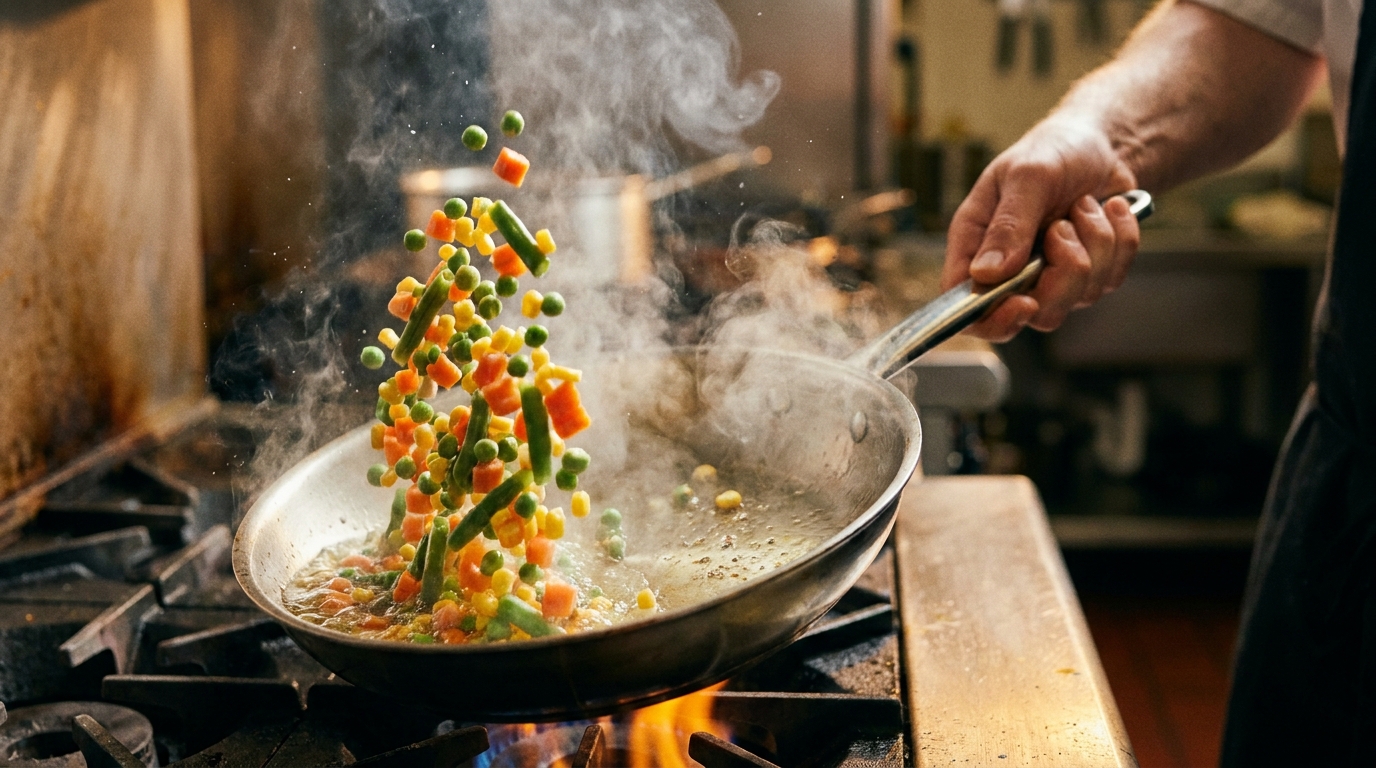
Adding a simple scoop of vegetables instantly upgrades your meal. It adds essential fiber, vitamins, and minerals to plain white or brown rice. People often wonder if freezing destroys these health benefits. They actually keep most of their original nutrients. Farmers pick these crops at peak ripeness. They flash-freeze them immediately to lock in the vitamins.
In fact, Frozen Mixed Vegetables often hold more nutritional value than fresh produce sitting on store shelves. Trusted producers like JSVEG guarantee this high quality. They process and export frozen fruits and vegetables using modern facilities. Their strict quality control meets global HACCP, BRC, ISO, and HALAL standards. You always know you are serving safe, healthy food.
Najwyższa wygoda
Cooking takes time and energy after a long day. Prepping fresh ingredients takes even longer. Keeping mixed veggies frozen in your kitchen saves the day. You skip the washing entirely. You skip the peeling. You completely avoid chopping. Just grab a bag of peas corn carrot mix straight from the freezer. You toss it directly into your pot or rice cooker. The time saved during dinner prep is huge.
Cost-Effective and Waste-Free
Fresh produce goes bad very quickly. We all throw away wilted greens sometimes. Frozen options fix this costly problem. They last for many months in your freezer. You only use what you need for your meal. You simply put the rest back. This eliminates household food waste. Plus, buying a bag of mix vegetables costs much less than buying each vegetable fresh. Your weekly grocery bill drops significantly.
Here is a quick comparison showing why frozen wins for quick rice dishes:
| Cecha | Fresh Vegetables | Frozen Mixed Vegetables |
|---|---|---|
| Prep Time | High (washing, peeling, chopping) | Zero (ready to cook immediately) |
| Okres przydatności do spożycia | A few days in the fridge | Several months in the freezer |
| Cost | Generally higher per meal | Very budget-friendly |
| Nutrients | Degrades slowly during transport | Flash-frozen at peak ripeness |
Unmatched Versatility
You can mix these ingredients into almost any global cuisine. The mild flavors blend perfectly into your favorite recipes. They absorb broths and spices very easily. You can make a quick Mexican rice bowl for lunch. You can whip up a savory Asian dish using a frozen stir fry mix. The possibilities remain endless when you keep these staples on hand.
Best Types of Vegetables for Rice Dishes
We just talked about how versatile these staples are for global cuisines. You might ask: can frozen mixed vegetables be added to rice using different flavor profiles? Yes, they absolutely can. Choosing the right blend makes all the difference. Let us explore the best options for your next meal.
The Classic Blend
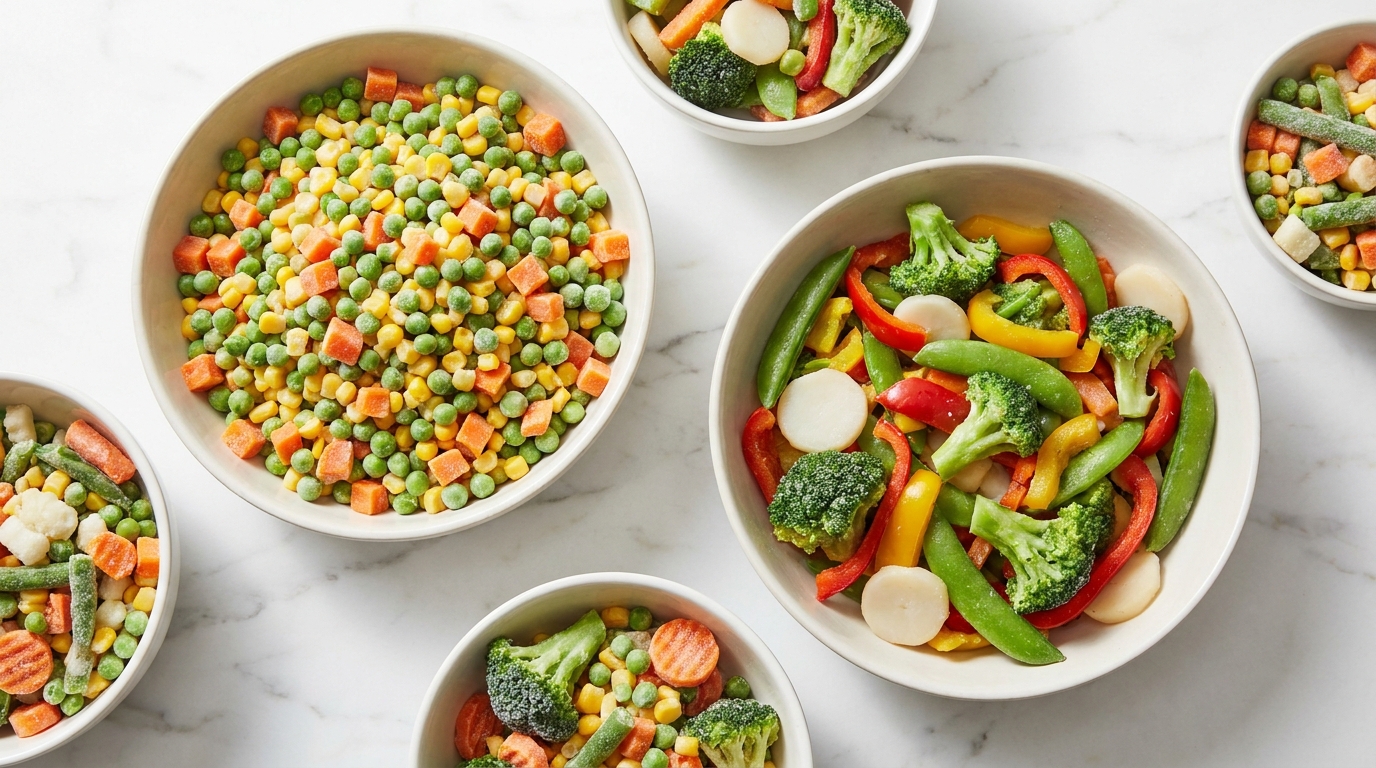
The traditional peas corn carrot mix stands out as the most popular choice. It brings bright colors to plain white or brown rice. The sweet corn balances the earthy carrots. The peas add a soft pop of texture. This classic confetti look appeals to kids and adults alike. It works beautifully for quick weeknight dinners.
Aromatic Bases
Sometimes you need a strong flavor foundation. A frozen onion and pepper mix does exactly this. You skip the tears of chopping onions. You just toss them into your pan. They create an incredible base for Spanish rice. They also work perfectly for a savory stovetop pilaf. Sauté them briefly before adding your grains. This releases their natural sweetness.
Texture Enhancers
Soft rice needs a good crunch. Incorporating broccoli mixed vegetables solves this texture issue easily. Broccoli florets hold their shape well during cooking. They also add a vibrant green color to your bowl. You can stir them into a cheesy rice casserole. They pair wonderfully alongside a light soy sauce drizzle.
Specialty Blends
You can take your taste buds on a trip down South. Grab a bag of frozen gumbo mix. This usually includes cut okra, celery, and bell peppers. It instantly transforms a boring side dish into a Southern-inspired feast. The okra thickens the cooking liquid slightly. This gives your rice a rich, comforting feel.
Here is a quick cheat sheet for pairing your blends:
- Asian Flavors: Use a classic pea and carrot blend.
- Latin Dishes: Choose an onion and pepper base.
- Cheesy Bakes: Add broccoli blends for extra crunch.
- Southern Comfort: Stir in a gumbo mix.
Quality Matters
Your dish is only as good as your ingredients. Choosing premium options guarantees better taste. Look for organic frozen mixed vegetables when shopping. High-quality producers like JSVEG make a huge difference here. They process these crops in modern facilities. They follow strict quality control rules. Their products meet international HACCP, BRC, ISO, and HALAL standards. You get firm, flavorful veggies every single time. They never turn into a mushy mess in your pot.
We just learned how premium blends prevent a mushy mess. Now you need the best preparation methods. Can frozen mixed vegetables be added to rice? They certainly fit into any busy evening schedule. Let us explore four incredibly simple methods you can try tonight.
The Rice Cooker Method
This provides the ultimate set-and-forget approach for busy weeknights. You simply toss your frozen vegetables directly into the machine alongside your raw grains. Many people wonder about adjusting the cooking liquid. Usually, you just stick to your standard one-to-two water ratio. The frozen pieces release minimal moisture during the long cooking cycle. They steam perfectly inside the sealed appliance. Remember our important rule about keeping the vegetable texture firm. Never thaw your ingredients before cooking. Thawing ruins their texture before they even hit the hot pan. Always add them straight from your cold freezer drawer.
The Stovetop Simmer
Maybe you prefer using a traditional pot for your dinner. The classic stovetop method works beautifully. You just need to watch your cooking timing very closely. White rice usually takes 15 to 20 minutes to simmer. Brown rice needs about 40 to 45 minutes total. Do not add your mixed veggies frozen at the beginning. They will overcook and lose their bright natural colors quickly. Instead, drop them into the pot near the very end. Add them during the last five to 10 minutes of simmering. Once the heat is off, let the covered pot sit. Resting for five minutes ensures a perfectly even grain texture. Finally, always fluff the finished dish using a standard fork. A heavy spoon will mash your perfectly cooked peas.
The Fried Rice Technique
Everyone loves a quick homemade takeout meal. You can easily make a fantastic frozen mixed vegetables stir fry right at home. The secret relies entirely on using chilled day-old cooked rice. Cold grains prevent clumping in your extremely hot cooking pan. Heat some cooking oil in a large kitchen wok. Toss your frozen stir fry mix directly into the oil. You can add aromatic ingredients like fresh garlic and ginger. Sauté everything together until the vegetables heat all the way through. Fold in your cold grains and add some savory soy sauce. High-quality vegetables from JSVEG hold up perfectly to high heat. Their modern processing facilities ensure the produce stays incredibly firm during intense cooking. You get authentic restaurant-style results right in your own kitchen.
The Roasting Method
Most people boil or steam their quick weeknight vegetable dinners. You should try roasting for a massive savory flavor upgrade. Spread your mix vegetables evenly on a large metal baking sheet. Toss them in olive oil and your favorite savory spices. Roast them in a hot oven until the edges crisp nicely. This creates a deep, caramelized, and smoky flavor profile. Fold these roasted frozen mixed vegetables into your cooked bowl. Do this at the very end of your meal prep. You get a wonderful contrast of textures using this method. Soft grains pair beautifully alongside the crispy roasted produce.
Simple and Delicious Flavor Pairings
We just explored how roasting gives you a wonderful contrast of textures. Now you need some great seasoning ideas. Can frozen mixed vegetables be added to rice for exciting flavor profiles? They certainly can elevate your weeknight dinners. Let us look at some simple ways to flavor your dish.
Classic Comfort
Sometimes a simple approach works best. You can create a classic comfort side dish in minutes. Just toss warm grains and mixed vegetables with butter. Add a generous pinch of sea salt. Sprinkle some black pepper on top. Kids absolutely love this mild combination. It pairs perfectly alongside roasted chicken or baked fish. Using premium produce from a trusted supplier like JSVEG ensures great taste. They use modern production facilities to lock in natural sweetness.
Inspirowane kuchnią azjatycką
You can easily create Asian-inspired flavors at home. Do you remember the fried rice technique we discussed earlier? You can build on that exact method. Combine your cooked meal and a splash of soy sauce. Drizzle a little toasted sesame oil over the bowl. Stir in some minced garlic and fresh ginger. These aromatics transform plain mixed veggies frozen into a savory delight. It tastes just like your favorite takeout order.
Herb & Citrus
Heavy meals sometimes need a bright side dish. You can lighten up your bowl using fresh herbs. Squeeze fresh lemon juice over your warm mix vegetables. Chop up some fresh parsley or cilantro. Fold these green herbs directly into the pot. This combination brings a refreshing zing to your dinner table. It works beautifully for spring and summer meals. It cuts through heavy meats perfectly.
Cheesy Rice
Everyone enjoys a warm bowl of cheesy goodness. You can easily mimic a rich creamy risotto. Stir grated parmesan or sharp cheddar cheese into your hot pot. The melting cheese coats every single grain perfectly. We mentioned broccoli mixed vegetables earlier as great texture enhancers. They shine brilliantly in this specific cheesy application. The firm broccoli florets hold up against the thick sauce. JSVEG processes their vegetables under strict BRC and ISO controls. This means your broccoli stays firm under the heavy cheese.
Sourcing High-Quality Ingredients: The JSVEG Standard
We just discussed how firm broccoli holds up under thick cheese sauces. This firmness comes directly from strict quality controls. If you are still wondering, can frozen mixed vegetables be added to rice without turning mushy? The answer depends entirely on where you get your ingredients.
The source of your food matters. Poorly processed veggies lose their crunch. They turn into a watery mess in your cooking pot. High-quality processing locks in the natural texture. It keeps the bright colors intact. This ensures your final meal looks and tastes amazing.
Premium Processing Makes a Difference
This is where JSVEG steps in. They are a core subsidiary of JCOF. They specialize in the production, processing, and export of frozen fruits and vegetables. They also handle dehydrated fruit and vegetable options. Their modern production facilities work incredibly fast. They flash-freeze the produce at peak ripeness. This happens within hours of harvesting. It locks in those crucial nutrients. It also preserves that fresh-from-the-farm taste.
When you toss mixed vegetables into your grains, they taste incredibly fresh. In fact, they often pack more vitamins than older fresh produce. They skip the long transportation times completely.
International Safety Standards You Can Trust
Feeding your family requires absolute trust in your ingredients. Food safety should never be a guessing game. JSVEG guarantees safe products through strict quality control. They currently hold multiple vital international certifications.
Let us look at the rigorous certifications they maintain:
- HACCP: Prevents food safety hazards during daily production.
- BRC: Ensures global standards for food quality.
- ISO: Guarantees consistent management and operational excellence.
- HALAL: Meets specific dietary and preparation requirements.
These standards mean every bag of mix vegetables meets global expectations. You can confidently scoop them into your family’s dinner bowls. They deliver safe, nutritious, and delicious results every single time.
Wnioski
Can frozen mixed vegetables be added to rice? The answer is a resounding yes.
Cook them using a rice cooker, stovetop, or stir-fry method.
Try a peas corn carrot mix or frozen onion and pepper mix.
Experiment with new seasonings to make everyday dinners exciting.
Choose high-quality JSVEG frozen vegetables for healthier meal prep.
FAQ
Q: Do I need to add extra water to the rice when using frozen vegetables?
A: No, you usually do not need extra water. You should stick to the standard 1:2 rice-to-water ratio. Frozen vegetables release a tiny bit of moisture as they cook, but the ice crystals on them are negligible. Adding extra water will only make your rice mushy.
Q: Should I thaw the frozen mixed vegetables before adding them?
A: You should never thaw them first! Always add mixed vegetables directly from the freezer to your rice cooker or pan. Thawing them beforehand ruins their texture and makes them mushy. For the best results, toss them in frozen. When the rice is done, remember to fluff it with a fork instead of a spoon to keep the vegetables intact.
Q: When exactly do I add the frozen vegetables to the rice?
A: It depends on your cooking method. If you are using a rice cooker or making a stovetop one-pot meal, add the frozen vegetables right at the beginning with the dry rice and liquid. If you are making vegetable fried rice, wait until your chilled, day-old rice is in the hot skillet, then stir-fry the frozen vegetables in.
Q: Are frozen vegetables as healthy and safe as fresh ones?
A: Yes! Frozen vegetables are flash-frozen at peak ripeness, locking in their nutrients. This makes them nutritionally comparable to fresh produce. When you use premium vegetables from trusted producers like JSVEG, you get top-tier quality that meets strict international safety standards like HACCP, BRC, and ISO. Cooking them directly in boiling water or steam ensures they reach safe temperatures.
Q: How can I make my rice and frozen vegetable mix taste less bland?
A: To fix blandness, try the “pilaf” method: sauté the dry rice and frozen vegetables in a little butter or oil for two minutes before adding your liquid. This creates a nuttier flavor and firmer grain. You can also replace the water entirely with chicken, beef, or vegetable stock, and add aromatics like garlic or spices like turmeric.