Перейти к содержанию


Устали от мягких и водянистых гарниров? Замороженные овощи удобны, но их пресный вкус разочаровывает кулинаров. Вы легко можете превратить их в кулинарное удовольствие. В этом посте вы узнаете, как сделать замороженные овощи вкусными. Ожидайте экспертные советы по запеканию, избеганию ошибок и смелому использованию приправ.
Why Starting with Premium Frozen Produce is Crucial
Before we dive into roasting techniques and bold seasonings, we must look at the foundation. Figuring out how to make frozen vegetables taste good starts at the source. The best culinary tricks cannot save poor-quality ingredients.
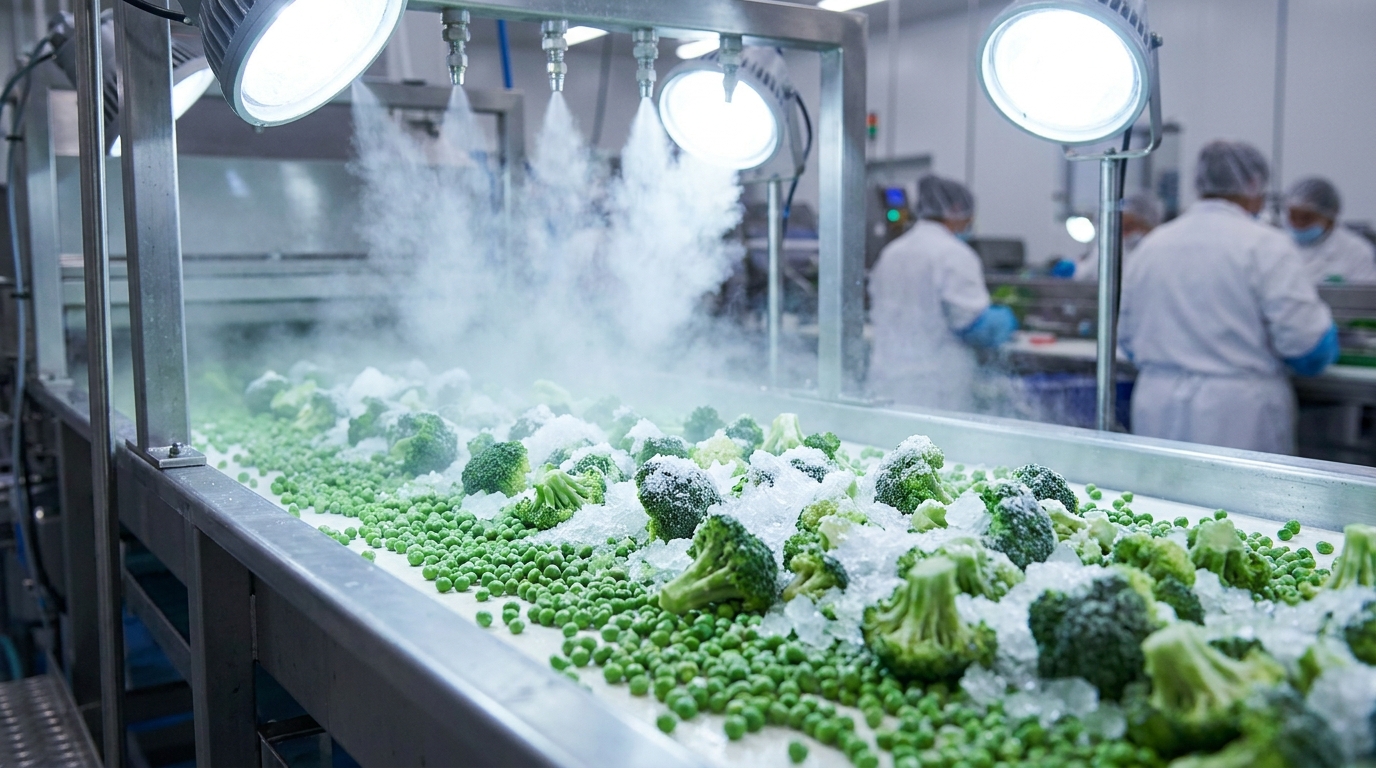
Fortunately, modern freezing techniques give us a massive advantage. Manufacturers use a process called flash-freezing. Farmers harvest crops at peak ripeness. Within hours, facilities freeze them solid. This rapid temperature drop locks in essential nutrients. It preserves vitamins C and A perfectly. Often, they remain more nutrient-dense than fresh produce sitting on shelves for days.
But not all bags in the freezer aisle are equal. Good sourcing matters immensely for your final dish’s texture. You want individual pieces moving freely inside the bag. This indicates an Individually Quick Frozen (IQF) process.
The Role of Reputable Suppliers
For top-tier taste right out of the bag, you need a reputable supplier. Take JSVEG, for example. As a core subsidiary of JCOF, they specialize in producing and exporting premium frozen produce. They also handle dehydrated fruits and vegetables.
Relying on a trusted producer sets a superior baseline for your recipes. When you choose a quality brand, you get specific benefits:
- Consistent Texture: Modern production facilities prevent large ice blocks from forming.
- Strict Quality Control: Every batch meets rigorous international standards.
- Global Certifications: Top facilities hold HACCP, BRC, ISO, and HALAL certifications.
- Better Flavor Absorption: High-quality veggies lack freezer burn, letting seasonings shine.
This level of care means your ingredients are blanched perfectly before freezing. When you grab a bag of frozen broccoli or замороженный болгарский перец, you start with crisp, vibrant produce. You avoid the dreaded mushy texture entirely. A premium base like frozen carrots or frozen cauliflower simply tastes better once it hits a hot pan.
Common Mistakes to Avoid When Cooking Frozen Veggies
Even with premium produce from a top-tier facility like JSVEG, your technique matters. You can easily ruin perfectly good замороженная цветная капуста by handling it wrong. Figuring out how to make frozen vegetables taste good means knowing what to avoid. Let’s look at the most common culinary pitfalls.
Mistake 1: Thawing Before Cooking
Many home cooks instinctively pull bags from the freezer early. They leave them sitting on the kitchen counter. You should avoid doing this entirely. The “no-thaw” rule remains crucial for a great texture. When vegetables thaw slowly, their delicate cell walls break down. They release trapped water into your bowl. This turns them into a soggy, mushy mess. For almost every cooking method, cook them directly from frozen. Hitting a hot pan while frozen evaporates surface moisture quickly. It keeps the interior perfectly crisp and tender.
Mistake 2: Over-Boiling and Over-Steaming
As we covered earlier, manufacturers blanch these vegetables before freezing them. They are already partially cooked at the factory. Boiling them in a large pot of water guarantees a bland dish. It strips away their natural flavor rapidly. It also leaches those preserved vitamins right into the water. Boiling them for ten minutes destroys the texture completely. If you must use a microwave, use a tiny amount of water. Just one or two tablespoons will do the trick. Cover the dish tightly to steam-fry them quickly instead.
Mistake 3: Overcrowding the Roasting Pan
If you want to know how to make frozen vegetables taste good, master high-heat cooking. But you must give them plenty of space. A crowded pan acts as the ultimate enemy of crispiness. When you pile замороженная спаржа together, they trap steam. The trapped moisture prevents the vital Maillard reaction. That specific reaction creates the delicious browning and caramelization we love. Always spread your veggies in a single, even layer. Give the excess moisture enough room to escape.
Mistake 4: Seasoning Too Late (or Not at All)
Skipping the seasoning process leaves you with a very flat side dish. You need aromatics and spices to elevate the overall flavor profile. However, your timing matters just as much. Do not add a wet vegetable seasoning mix while the pan holds ice crystals. Wait until the excess water evaporates completely. Then, toss them with one or two tablespoons of oil. Add your garlic butter veggie seasoning or umami boosters like soy sauce. Finishing with a bright acid perfectly masks any lingering freezer taste.
The Best Cooking Methods for a Gourmet Frozen Veggie Mix
Now you know exactly what pitfalls to avoid. You understand the importance of timing your seasoning. It is time to put those principles into practice. Finding out how to make frozen vegetables taste good comes down to applying dry heat. We want to trigger the Maillard reaction we mentioned earlier. Let’s explore the absolute best ways to cook a gourmet frozen veggie mix.
High-Heat Roasting
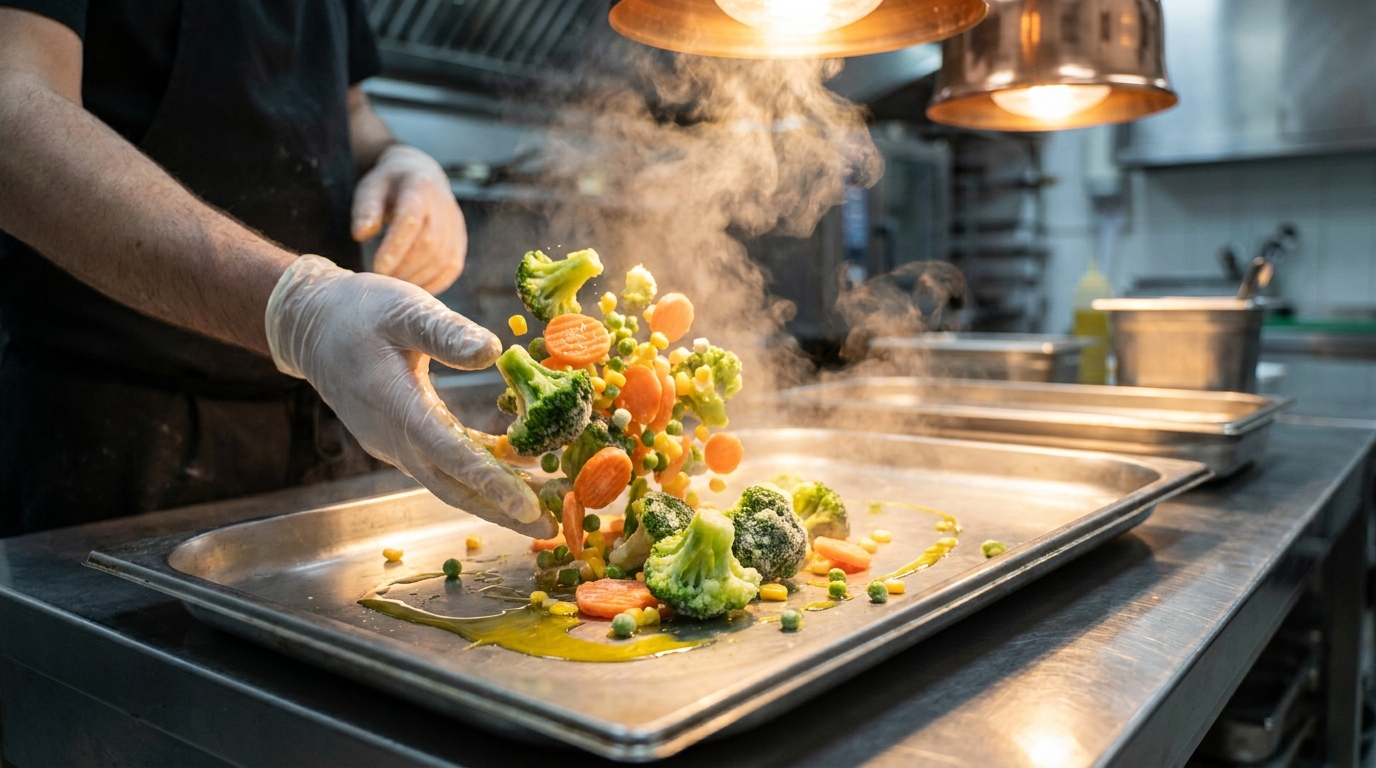
Roasting acts as the ultimate flavor booster. You need a very hot oven for this. Set it somewhere between 400°F and 450°F. This high temperature hits the frozen produce hard. It evaporates the surface ice rapidly. This prevents the mushy texture we all hate.
To create perfect roasting vegetable blends, grab a heavy baking sheet. Toss your frozen carrots directly onto the metal. Remember the no-thaw rule we discussed earlier. Add one to two tablespoons of oil per pound. Spread everything out into a single layer. The edges will caramelize beautifully during the process. This method draws out a deep, natural sweetness.
Quick and Crispy Air Frying
Air fryers work absolute magic on frozen produce. They circulate super-heated air extremely fast. This trendy method yields incredibly crispy results. It also cooks them in a fraction of the time.
You get a fantastic crunch without using much oil. A quick spray of olive oil works perfectly here. Shake the basket halfway through the cooking cycle. This ensures even browning on every single side. Air fryers use dry heat to eliminate moisture instantly. They turn a basic side into a satisfying snack.
Sautéing and Stir-Frying
Sometimes you want a fast stovetop cooking solution. Sautéing offers great control over the final texture. You need a screaming hot skillet for this technique. Cast iron pans work exceptionally well for stir-frying.
Drop your frozen veggies right into the hot oil. The intense heat blisters the exterior very fast. It retains a wonderful crisp-tender crunch inside. This technique works best when sourcing premium ingredients. Products from JSVEG undergo strict quality control before export. Their modern production facilities ensure every piece stays intact. High-quality produce holds up beautifully to aggressive stir-frying. They will not turn into mush under high heat.
Broiling for a Smoky Finish
People often forget about their oven broiler setting. It provides an intense, direct heat source from above. This acts like an indoor grill for your veggies.
Broiling offers a fantastic way to finish a dish. You can cook them first using another method. Then slide the pan under the broiler briefly. You get a delightful charred and smoky finish. It mimics the flavor of an outdoor barbecue perfectly. Just watch them closely while they are broiling. The broiler works incredibly fast in most ovens. They can go from charred to burnt in seconds.
Flavor Boosters: How to Season Frozen Vegetables
You just pulled a perfectly charred pan from under the broiler. The final texture looks absolutely amazing. Now we need to make them truly crave-worthy. Knowing how to make frozen vegetables taste good requires building flavor layers. Dry heat provides a great start. Proper seasoning finishes the job perfectly.
The Power of Cooking Fats
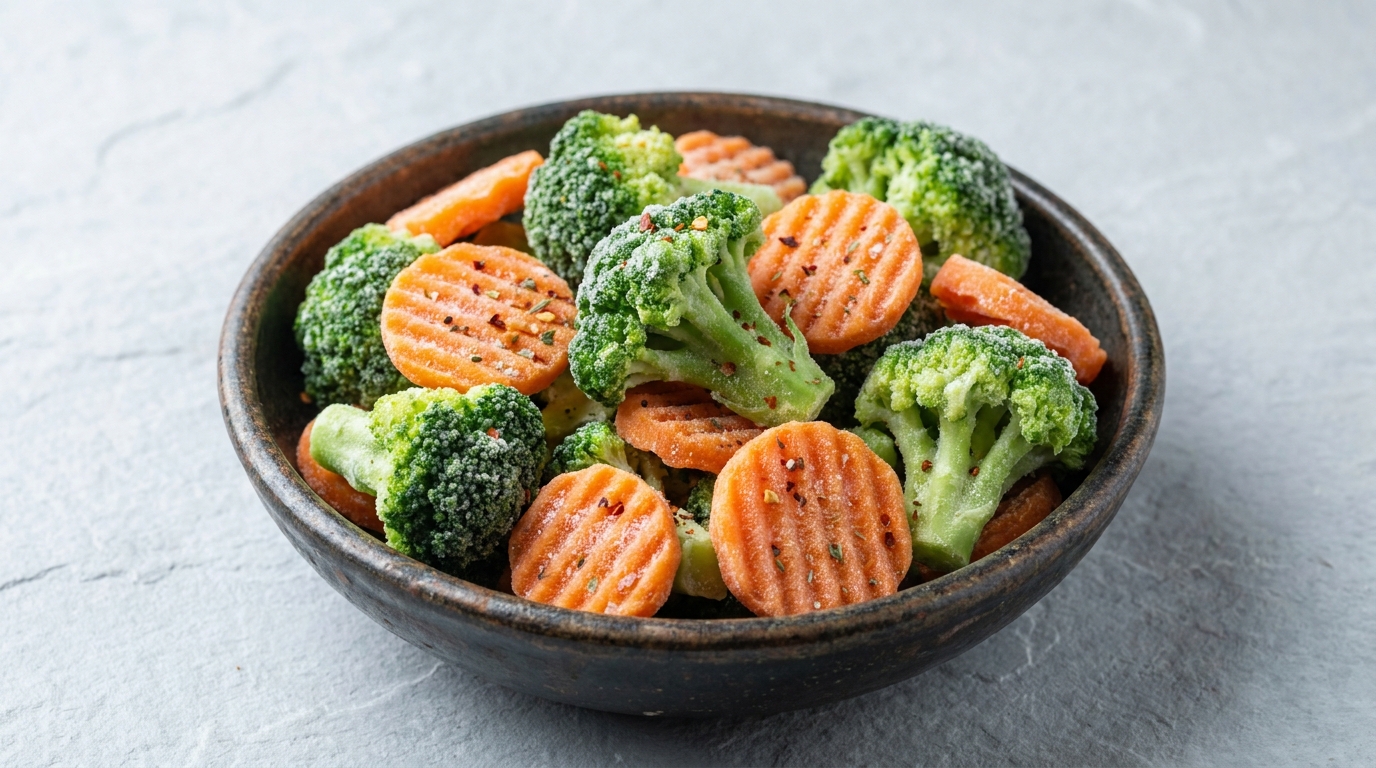
Fat acts as a crucial vehicle for flavor. It coats every single piece evenly. It also helps your chosen spices stick properly. Tossing your produce in olive oil or avocado oil is essential. These healthy fats handle high-heat cooking beautifully. They also encourage the delicious Maillard reaction we covered earlier. Butter offers a much richer taste. Add it toward the end of cooking to prevent burning.
Quick Fixes and Fresh Aromatics
Starting with a clean, high-quality base matters. JSVEG produces exceptional frozen and dehydrated produce. Their modern facilities maintain strict quality control. Every batch meets international HACCP, BRC, ISO, and HALAL certifications. This gives you a perfect, safe blank canvas.
You can easily elevate this blank canvas. Using a dedicated vegetable seasoning mix saves precious time. Pre-blended spices guarantee a balanced flavor profile instantly.
Do you want to create truly irresistible Seasoned Frozen Vegetables? Add fresh aromatics directly to the hot pan. Sautéed onions, fresh garlic, and minced shallots work wonders. Remember our rule about proper timing. Wait until the surface ice evaporates completely. Then add these delicate ingredients to avoid burning them.
The Magic of Garlic Butter
Nothing beats a rich garlic butter sauce. It transforms bland sides into a restaurant-quality dish. Try using a garlic butter veggie seasoning before serving.
Follow this simple step-by-step method:
- Cook your vegetables using your preferred high-heat method.
- Melt two tablespoons of butter in a small pan.
- Stir in your garlic seasoning blend until fragrant.
- Pour the hot butter mixture over the finished dish.
- Toss everything vigorously in a large serving bowl.
Finishing Touches: Acids and Umami
Your dish might still taste a little flat. You can easily fix this common problem. The secret to how to make frozen vegetables taste good lies in finishing touches. You need contrasting elements to wake up the palate.
Brighten It Up
Acids cut through heavy fats beautifully. They also mask any lingering freezer flavors effectively. Squeeze fresh lemon juice over your pan before serving. A drizzle of balsamic glaze adds acidity and sweetness. A splash of apple cider vinegar works great too.
Boost the Savory Notes
Umami ingredients add incredible depth to your meals. They provide a rich, savory characteristic. Try adding these common umami boosters:
- Parmesan Cheese: Grate it over hot veggies so it melts slightly.
- Soy Sauce: Toss in a spoonful for an instant savory kick.
- Nutritional Yeast: Sprinkle this on for a dairy-free, cheesy flavor.
- Miso Paste: Whisk a tiny bit into your hot cooking oil.
These small additions completely change the final flavor profile. They turn a simple side into the star tonight.
Expert Cooking Tips for Specific Frozen Vegetables
You just learned how to wake up your palate with bright acids and rich umami flavors. We can now apply those exact finishing touches to individual varieties. Knowing how to make frozen vegetables taste good requires a tailored approach. Different types of produce demand specific techniques. Let’s break down the best strategies for popular staples.
Crispy and Tender Frozen Broccoli
Broccoli florets hold a lot of hidden moisture. We must handle them carefully to avoid a soggy mess. Remember the no-thaw rule we discussed earlier. Put them straight into a screaming hot oven. Set your temperature between 400°F and 450°F.
Spread them out on a heavy baking sheet. Do not crowd the pan. Trapped steam ruins the texture instantly. High heat evaporates the surface ice crystals quickly. It leaves you with delightfully crispy florets. The stems remain perfectly crisp-tender inside. Try finishing them with a squeeze of fresh lemon and grated parmesan.
Meaty Air-Fried Frozen Cauliflower
Cauliflower acts like a fantastic flavor sponge. It takes on bold spices beautifully. Toss your frozen cauliflower in a bowl with olive oil. Add generous amounts of turmeric and smoked paprika. You can also use a versatile vegetable seasoning mix here.
Throw them straight into your air fryer. The rapid dry heat works absolute magic. It transforms the pale pieces into a deeply caramelized side dish. They develop an incredibly satisfying, meaty texture. Shake the basket halfway through to ensure even browning.
Sweet Glazed Frozen Carrots
Carrots possess a wonderful natural sweetness. High-heat roasting draws this flavor out perfectly. Sourcing matters greatly for root vegetables. JSVEG processes exceptional frozen carrots in their modern production facilities. Their strict quality control ensures every piece retains its cellular structure. They hold international HACCP, BRC, ISO, and HALAL certifications. This guarantees you start with a premium, safe product.
Roast them at high heat until they soften slightly. You want to enhance their natural sugars. Drizzle them with a honey or maple syrup glaze. Do this during the last three to five minutes of roasting. Adding sugar too early causes burning. This quick glaze creates a beautiful, sticky finish.
Sizzling Frozen Bell Peppers
Soggy peppers ruin fajitas and stir-fries. We can prevent this entirely with proper technique. You need a screaming hot cast iron skillet. Drop the frozen bell peppers directly into the hot oil.
Sauté them extremely fast. The intense heat blisters the skins immediately. It evaporates excess water before they turn to mush. Keep the pan moving constantly. They will retain a fantastic bite for your favorite Mexican or Asian dishes.
Snappy Frozen Asparagus
Asparagus spears are quite delicate. They overcook very easily if you ignore them. You want to maintain their signature delicate snap. Broiling or rapid pan-searing works best here.
Hit them with intense, direct heat for just a few minutes. The tips will char beautifully. The stalks stay firm and bright green. Pull them from the heat immediately. Toss them with coarse sea salt and a splash of lemon juice. It creates a vibrant, restaurant-quality side dish in minutes.
Заключение
Learning how to make frozen vegetables taste good is simple. You must avoid boiling and utilize high-heat cooking with plenty of robust seasonings. Starting with premium certified produce from JSVEG guarantees success. We encourage you to experiment with unique roasting vegetable blends to find new family favorites. Explore JSVEG’s extensive catalog of premium frozen and dehydrated vegetables today.
Часто задаваемые вопросы
Q: Are frozen vegetables as healthy as fresh ones?
A: Yes! In fact, they are often healthier. Vegetables are typically flash-frozen within hours of harvest, locking in vitamins like C and A. Fresh produce can lose nutrients while sitting on trucks or grocery shelves for days. Companies like JSVEG use modern production facilities to process and freeze vegetables at their peak ripeness, ensuring maximum nutritional density.
Q: Do I need to thaw frozen vegetables before cooking?
A: No, you should almost never thaw them. The “no-thaw” rule is key to great texture. Thawing releases trapped water, which causes the veggies to steam and become mushy in the pan. Whether you are roasting, sautéing, or air frying, it is best to cook them straight from the freezer to prevent cellular breakdown.
Q: Why do my frozen veggies always turn out mushy?
A: Mushiness usually happens when veggies steam in their own juices instead of browning. This is often caused by a crowded pan, slow heating, or thawing them first. To fix this, spread your vegetables in a single layer on a baking sheet and roast them at high heat (400°F to 450°F). This quickly evaporates the moisture and helps them get crispy.
Q: How do I get rid of the bland “freezer” flavor?
A: First, quickly rinse off any surface ice crystals under cold water and pat them completely dry before cooking. Next, boost the flavor using aromatics like garlic or shallots. Once the moisture evaporates in the pan, add umami boosters like soy sauce or parmesan, and finish with a splash of acid, like lemon juice, to brighten the taste.
Q: How can I choose the highest quality frozen vegetables?
A: When shopping, feel the bag. You want IQF (Individually Quick Frozen) veggies where the pieces move freely. If you feel large ice blocks, the bag partially thawed and refroze, which ruins the texture. For the best quality, look for trusted suppliers like JSVEG, which follows strict international quality controls and holds HACCP, BRC, ISO, and HALAL certifications.