Przejdź do treści


Fresh vegetables spoil easily, posing a challenge for healthy meal prep, while traditional mrożone warzywa have long been criticized for their mushy texture and excess moisture. However, thanks to advanced food preservation technology and global supply chains, a new culinary trend shows that frozen vegetables—even when cooked straight from the freezer—can yield chef-quality dishes featuring delicious caramelized notes. By employing the right dry-heat roasting techniques—such as skipping the thaw, using ultra-high temperatures, and avoiding overcrowding the pan—frozen vegetables can shed their mushy reputation. Instead, they develop an appetizing golden-brown char and a rich, crisp texture, making them a convenient, economical, and nutritious kitchen solution.
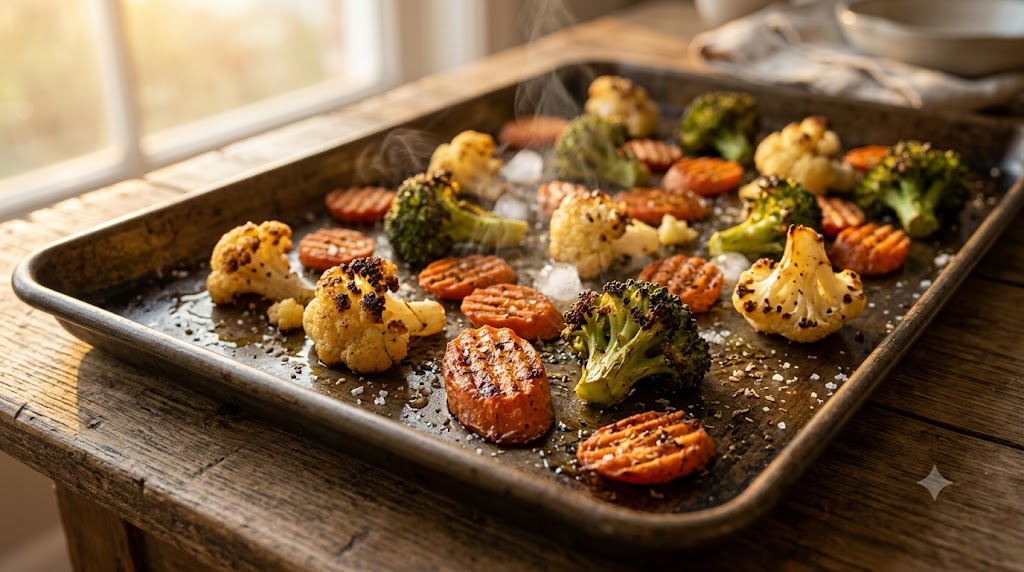
Why Should I Roast Frozen Vegetables?
Understanding how to cook frozen vegetables using dry-heat methods rather than boiling or microwaving is a complete game-changer for modern households. To appreciate why this trend has taken off so rapidly among nutritionists and busy professionals alike, it is useful to look at a direct product comparison between traditional grocery store fresh produce and modern Individual Quick Freezing (IQF) alternatives.
The table below illustrates why choosing to roast frozen veggies is frequently superior in terms of cost, nutrition, and convenience:
| Operational Metric | Fresh Produce (Standard Grocery Store) | Premium IQF Frozen Vegetables |
| Harvest & Preservations Timing | Picked before full ripeness to survive transport; degrades continuously during transit. | Harvested at absolute peak ripeness and flash-frozen within hours to halt degradation. |
| Nutritional Integrity | Vitamin C and folate levels decrease by up to 50% within a week of storage. | Retains over 90% of structural vitamins, minerals, and essential antioxidants. |
| Prep Requirement | Requires intensive washing, peeling, chopping, and sorting of bad pieces. | 100% pre-washed, pre-cut, and ready to pour directly onto the cooking surface. |
| Shelf Life & Stability | 3 to 7 days in refrigeration before spoiling; high risk of food waste. | Up to 24 months stored continuously at -18°C or below; zero daily spoilage risk. |
| Economic Impact | Highly vulnerable to seasonal inflation, climate variations, and local scarcity. | Exceptionally stable wholesale and retail pricing year-round; highly budget-friendly. |
When you analyze this data, it becomes clear that selecting a premium frozen base provides a mathematically superior starting point for your meals. Because the vegetables are sealed at their nutritional and structural peak, you are working with an ingredient that possesses excellent cellular integrity. Dry-heat roasting exploits this by rapidly evaporating surface moisture, caramelizing the natural sugars, and concentrating the interior flavors in a way that boiling simply cannot replicate.
How to Roast Frozen Vegetables
To achieve the ultimate level of browning and crunch, you must approach the process systematically. Treating frozen produce exactly like fresh produce will result in a soggy disappointment. Instead, you must rely on high-volume thermal energy to flash-evaporate the exterior frost. Below is the blueprint for a foolproof, universally adaptable roasted frozen vegetables recipe.
Składniki
-
16 ounces (approx. 450g) Frozen Vegetables: Use a single-variety bag or a structurally compatible blend (such as broccoli and cauliflower florets).
-
2 tablespoons High-Smoke Point Oil: Avocado oil, refined olive oil, or grapeseed oil are ideal. Avoid extra virgin olive oil for ultra-high heat as it can smoke and turn bitter.
-
1 teaspoon Coarse Sea Salt: Helps draw out moisture while enhancing natural savory tones.
-
½ teaspoon Coarse Black Pepper: For a fundamental pungent bite.
-
1 teaspoon Optional Aromatics: Garlic powder, onion powder, smoked paprika, or dried Italian seasoning.
Equipment
-
Heavy-Duty Rimmed Baking Sheet: Aluminium or cast iron is preferred for maximum heat retention. Thin baking sheets warp and cause uneven cooking.
-
Large Stainless Steel Mixing Bowl: Essential for ensuring rapid, even oil coating.
-
Heavy-Duty Metal Spatula: For cleanly flipping the vegetables without tearing the charred edges.
-
Oven Mitts: High-heat resistant varieties, as we will be handling a scorching hot pan.
Instrukcje
-
The Preheating Crucial Phase: Place your empty, unlined heavy-duty baking sheet onto the middle rack of your oven. Preheat the oven to 450°F (232°C). Allowing the baking sheet to heat up alongside the oven for at least 15 minutes is the ultimate secret weapon to prevent steaming.
-
The Fast Oil Coating: While the oven is heating, open your bag of vegetables straight from the freezer. Pour them immediately into your large mixing bowl. Drizzle the two tablespoons of high-smoke point oil over the top and sprinkle your sea salt, black pepper, and chosen spices. Toss vigorously for 30 seconds. The oil must insulate the frozen exterior instantly to prevent ice crystals from melting into water puddles.
-
The Sear Impact: Carefully slide the scorching hot baking sheet out of the oven using your oven mitts. Immediately pour the oiled, frozen vegetables directly onto the hot metal surface. You should hear an instant, loud sizzling sound—this is the sound of surface moisture flash-evaporating. Use your spatula to spread the vegetables quickly into a strict single layer. Ensure there is visible space around each piece.
-
The Initial Roast: Slide the sheet pan back into the oven and roast undisturbed for 15 minutes. Do not open the oven door during this time, as maintaining a constant, blistering thermal environment is vital.
-
The Turn and Crisp: At the 15-minute mark, open the oven and use your heavy metal spatula to thoroughly stir and flip the pieces. You should notice the sides touching the pan have developed a beautiful golden-brown crust. Return to the oven for another 10 to 15 minutes.
-
The Broil Finish (Optional): If you desire an extra level of charred crunch, switch your oven to “Broil” for the final 2 to 3 minutes. Watch the pan intently during this phase to ensure the edges brown beautifully without turning to ash. Remove from the oven and serve immediately while screaming hot.
Nutrition Per Serving
Servings: 4 | Values calculated per standard serving of mixed roasted green vegetables.
-
Calories: 95 kcal
-
Total Fat: 7.1g
-
Saturated Fat: 1.0g
-
Sodium: 590mg (Adjustable based on salt preference)
-
Total Carbohydrates: 6.2g
-
Dietary Fiber: 2.8g
-
Sugars: 1.9g
-
Protein: 2.1g
Here’s how to roast frozen vegetables in 3 easy steps
If you are looking for a simplified mental model to execute during a chaotic weeknight, compress the entire operational framework into these three golden rules:
-
Step 1: Toss with Oil Hard and Fast: Take the vegetables directly from the freezer—never thaw them under any circumstances. Dump them into a bowl, coat them completely with a high-heat oil, and apply your dry seasonings generously.
-
Step 2: Hit a Blistering Hot Surface: Pour the frozen contents onto a baking sheet that has been thoroughly preheated at 450°F. The immediate thermal shock locks in the internal structure and prevents water accumulation.
-
Step 3: Space Out and Blast: Arrange the vegetables in a spacious, single layer. Roast at high heat for 25-30 minutes, tossing exactly once halfway through to ensure bilateral browning and uniform crispiness.
Best Frozen veggies to roast and how to cook them
Not all plant matter is created equal; different species possess varying levels of water density, starch content, and surface-area-to-mass ratios. To execute a flawless cook every single time, you must adjust your timing and seasoning profiles based on the specific vertical you are preparing.
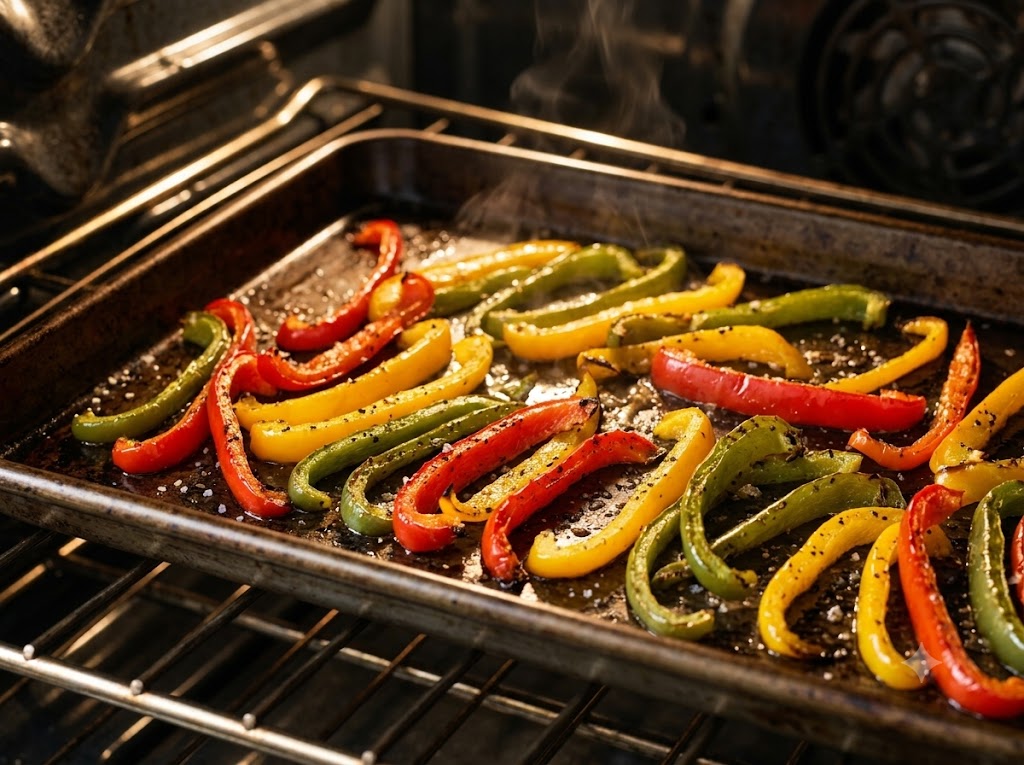
Frozen Peppers
Frozen bell pepper strips or dices carry a high natural water index. When you roast them, they transform into sweet, silky, and slightly charred ribbons that are perfect for fajitas, bowls, or pasta additions.
-
Oven Temp: 450°F (232°C)
-
Time Spectrum: 15 to 20 minutes
-
Ideal Seasoning Pairings: Ground cumin, garlic powder, smoked paprika, and a tiny splash of lime juice applied immediately post-roast.
Frozen Zucchini
Due to its delicate cellular walls and immense moisture content, zucchini is traditionally difficult to bake from frozen. However, by roasting it under extreme dry heat, you can bypass the mushy phase entirely and achieve beautifully caramelized rounds.
-
Oven Temp: 450°F (232°C)
-
Time Spectrum: 20 to 25 minutes
-
Ideal Seasoning Pairings: Dried basil, oregano, garlic powder, and a heavy dusting of grated Parmesan cheese applied during the last 5 minutes of cooking.
Mrożony brokuł
When you roast frozen broccoli, the porous florets act like a sponge for oil and seasonings, while the tiny bud-tips crisp up into intensely savory, chip-like morsels. To achieve an identical texture across your side dishes, it is highly effective to pair this profile and roast frozen cauliflower simultaneously on the same sheet pan, as both cruciferous options share a nearly identical moisture-to-density ratio.
-
Oven Temp: 425°F to 450°F
-
Time Spectrum: 25 to 35 minutes
-
Ideal Seasoning Pairings: Onion powder, red pepper flakes, sea salt, and a drizzle of fresh lemon zest right before serving.
Frozen Butternut squash
Packed with natural starches and complex sugars, frozen cubed butternut squash responds incredibly well to high-heat roasting. The exterior sugars undergo deep Maillard browning, creating a custard-like, sweet interior wrapped in a deeply caramelized shell.
-
Oven Temp: 425°F (218°C)
-
Time Spectrum: 25 to 40 minutes
-
Ideal Seasoning Pairings: Ground cinnamon, chili powder, ground cumin, or a light drizzle of maple syrup for a deeply comforting autumnal profile.
Mrożone marchewki
When you roast frozen carrots, the dry heat eliminates excess moisture and intensely concentrates their natural glucose. Instead of the rubbery texture often associated with steaming, oven-roasting transforms them into sweet, tender spears with deeply browned edges.
-
Oven Temp: 425°F (218°C)
-
Time Spectrum: 25 to 40 minutes
-
Ideal Seasoning Pairings: Dried thyme, fresh chopped rosemary, sea salt, and a minimal glaze of balsamic reduction applied in the final two minutes.
Frozen Potatoes
Whether you are dealing with frozen hash browns, wedges, or diced sweet potatoes, these starch-heavy powerhouses are perfectly engineered for the oven. The pre-existing flash-blanching process used by manufacturers means the interior starches are already partially gelatinized, allowing you to achieve an incredibly shatteringly crisp exterior crust.
-
Oven Temp: 450°F (232°C)
-
Time Spectrum: 30 to 40 minutes
-
Ideal Seasoning Pairings: Garlic powder, onion powder, coarse sea salt, and ground cayenne pepper for an assertive, fiery kick.
How to make frozen vegetables crispy?
The absolute holy grail of vegetable cookery is texture. If your results are turning out soft, pale, or limp, you are likely falling victim to a localized steam environment. To troubleshoot your process and guarantee maximum crunch, cross-reference your workflow against this data-driven optimization checklist:
-
Eliminate the Middleman Thawing Stage: When frozen vegetables sit at room temperature, ice crystals melt into water that saturates the plant tissue. Always cook straight from a rock-hard frozen state.
-
De-bulk the Ice Build-up: If your freezer has high humidity, your vegetable bags might contain loose clumps of frost. Give the bag a firm tap against the counter and shake out any free ice crystals before tossing the contents in your mixing bowl.
-
Ditch the Baking Parchment (For Maximum Crisp): While parchment paper makes clean-up simple, it acts as a minor thermal barrier. Pouring your oiled vegetables directly onto the bare, preheated metal baking sheet maximizes direct conductive heat transfer, resulting in a far superior sear.
-
Enforce the Crowd Control Protocol: If vegetables are touching or overlapping, the moisture escaping from one piece will trap and steam the piece next to it. If necessary, divide your target volume across two separate baking sheets rather than overloading a single pan.

More Tips for roasting frozen veggies
To elevate your kitchen operations from standard execution to an advanced, highly efficient culinary system, implement these expert-level insights:
-
Incorporate High-Value Varieties: Do not limit your menu variations to basic root crops. Expanding your operational rotation to include premium options like roasted frozen asparagus provides an upscale, elegant green side that bakes in a fraction of the time compared to denser stalks.
-
Unleash the Power of Cruciferous Char: If you want an exceptionally earthy, nutty side dish that pairs beautifully with grilled proteins, dedicate an entire roasting session to roasted frozen brussels sprouts. The individual leaves that naturally separate from the frozen sprouts will fry up in the oil, turning into incredibly crispy, addictive crisps.
-
Deploy Post-Roast Acid Flashes: High heat excels at developing sweet, savory caramelized notes, but it can dull brightness. Always hit your finished vegetables with a burst of fresh acid—such as a squeeze of lemon juice, lime juice, or a splash of artisanal vinegar—immediately after pulling the sheet pan from the oven.
-
Never Refreeze Leftovers: Because these vegetables have gone through a dual thermal transition (factory flash-freezing followed by high-heat oven roasting), their cellular structure cannot handle a third freezing cycle. Store any leftover portions in an airtight container in the refrigerator and consume them within 3 to 4 days. They reheat beautifully in an air fryer or a hot cast-iron skillet.
FAQs
Q1: Can I mix different frozen vegetables on the same baking sheet?
Yes, but you must categorize them by density. If you mix a fast-cooking option like thin pepper strips with a dense option like diced potatoes, the peppers will burn before the potatoes cook through. For best results, roast structurally identical pairings together (like broccoli and cauliflower) or add softer vegetables to the baking sheet during the last 15 minutes of the cooking cycle.
Q2: Why do my roasted frozen vegetables look shriveled?
A minor amount of shrinkage is completely normal as water content evaporates—this evaporation is precisely what concentrates the flavor. However, extreme shriveling with a tough, rubbery texture means your oven temperature was too low, causing the vegetables to slow-bake and dehydrate over an extended period rather than flash-roasting. Ensure your oven is set to a blistering 450°F.
Q3: Should I use an oil spray or pour liquid oil directly?
Pouring liquid oil into a large bowl and tossing the vegetables manually provides a far more uniform, insulating barrier than an aerosol spray. Total surface coverage is essential because the oil creates a protective layer that helps conduct heat evenly across the uneven, frozen surfaces of the vegetables.
Q4: Are frozen vegetables as healthy as fresh ones after being roasted at high temperatures?
Absolutely. Because frozen vegetables are flash-frozen at peak harvest, they frequently start with a higher nutritional baseline than fresh produce that has spent days in transit. While high-heat roasting does cause a minor reduction in heat-sensitive vitamins (like Vitamin C), it preserves dietary fiber, essential minerals, and fat-soluble vitamins perfectly, making them a spectacularly healthy addition to any diet.