



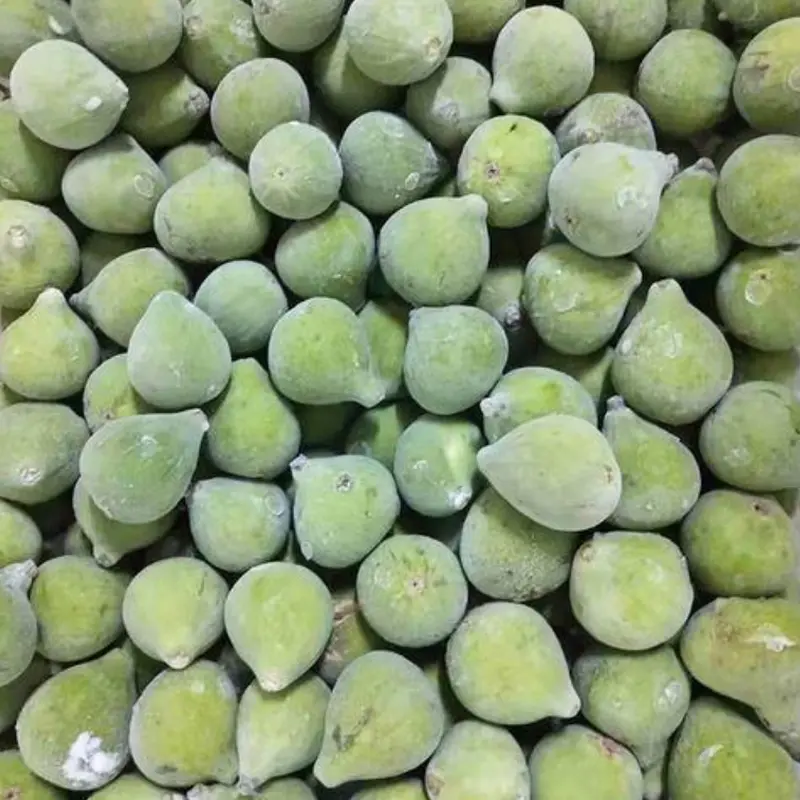
Introduction to Frozen Figs
Frozen Figs are a premium, deep-processed fruit product made by quickly freezing fresh figs using advanced low-temperature quick-freezing technology. This method ensures the long-term preservation of the figs while fully retaining their natural sweetness, soft texture, and rich nutritional content, including dietary fiber, pectin, anthocyanins, and vitamin C. By addressing the common issues of short ripening periods, typically concentrated from late summer to early autumn, and the figs’ thin and delicate skin, which is prone to spoilage, frozen figs offer a convenient and reliable solution. The freezing process locks in the natural flavor, color, and beneficial antioxidants, making them a globally popular choice as a healthy, all-natural ingredient. They are ideal for use in a variety of culinary applications, such as baking, desserts, smoothies, and ready-to-eat snacks, providing a nutritious and delicious addition to any meal or treat.
Production Process
- Raw material selection: Choose fresh Figs with moderate ripeness (8-9/10; underripe ones taste sour, overripe ones are prone to cracking), intact shape without damage, and no pests or diseases (common varieties include “Muscat of Alexandria”, “Brenneck”, and “Green Fig”).
- Washing and removing impurities: Gently rinse fresh Figs with running water to remove surface dust, residual pesticides, and debris (avoid rubbing forcefully to prevent skin damage).
- Color protection and anti-browning (critical step): Due to high polyphenol oxidase content, Figs are prone to enzymatic browning after cutting or peeling. Some processes involve briefly soaking fruits in a color-preserving solution containing vitamin C (1%-2%) and citric acid (0.5%-1%) for 2-3 minutes, or blanching with steam (85-90°C for 15-20 seconds) to deactivate enzymes.
- Rapid freezing: Processed Figs (whole or halved) are spread in a single layer on trays (avoid stacking and sticking) and placed in a quick-freezing chamber at -35°C to -40°C. The core temperature is reduced to below -18°C within 30 minutes (rapid freezing minimizes ice crystal formation, preserving cell structure, juice, and nutrients as much as possible).
- Packaging and storage: Frozen Figs are quickly transferred to a cold storage facility below -18°C for long-term storage. Packaging typically uses high-barrier vacuum bags, aluminum foil bags, or nitrogen-flushed individual packs (to block oxygen and moisture, slowing oxidation).
Key Advantages
- Nutrient preservation: Quick-freezing retains over 90% of Figs’ dietary fiber (e.g., pectin), vitamin C, potassium, and antioxidants (anthocyanin loss is only 5%-8%), with nutritional value close to fresh Figs.
- Convenience: No need for washing or peeling (some products are pre-halved), ready for direct use in baking, desserts, or as ready-to-eat snacks, significantly simplifying food preparation.
Application Scenarios
- Baking and pastries: Used in fig cakes, tarts, croissants, or added to bread dough to enhance natural sweetness and fruity aroma.
- Desserts and dairy: Served as yogurt toppings, ice cream fillings, or used in fig jams, jellies, mousse (paired with cream or nuts).
- Beverages and light meals: Blended into smoothies (with bananas, yogurt), added to fruit tea (steeped with black/green tea), or used as salad toppings (paired with spinach, nuts, cheese).
- Ready-to-eat and healthy snacks: Thawed for direct consumption (sweet and soft), or chopped into oatmeal bowls, granola bars, as low-calorie snacks.
Quality Tips
- Prioritize products labeled “no added sugar,” “preservative-free,” or “non-sulfur fumigated” (Figs are prone to browning; some low-cost products may use sulfur dioxide for color preservation).
- Store at a stable temperature below -18°C; avoid repeated thawing and refreezing (causes cell rupture, resulting in soft, juicy loss).
- Thaw in the refrigerator (4°C, 8-12 hours) or cold water (sealed package, change water every 20 minutes for ~1 hour); avoid room-temperature thawing (accelerates nutrient loss and microbial growth).
Lead Time & Support:
-
-
Lead Time: 30-40 days, ensuring timely deliveries based on specific orders.
-
MOQ: Standard minimum order quantity is 1 Full Container Load (FCL) (20ft or 40ft), customizable upon request.
-
Customer Support: Full support to resolve any issues and ensure customer satisfaction.
-
Quality Assurance: Rigorous quality checks to ensure all products meet customer standards.
-