

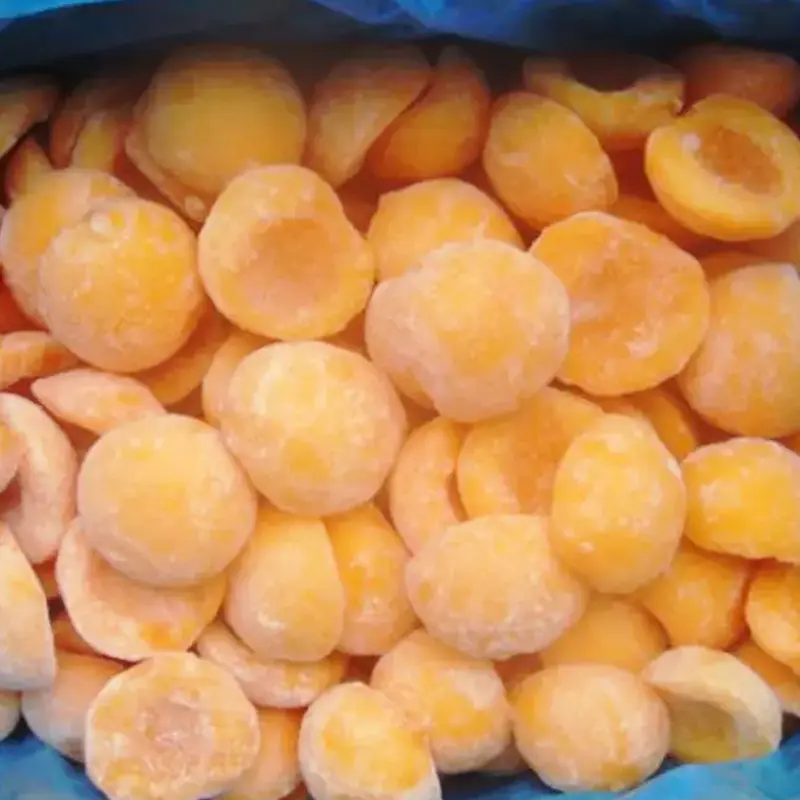
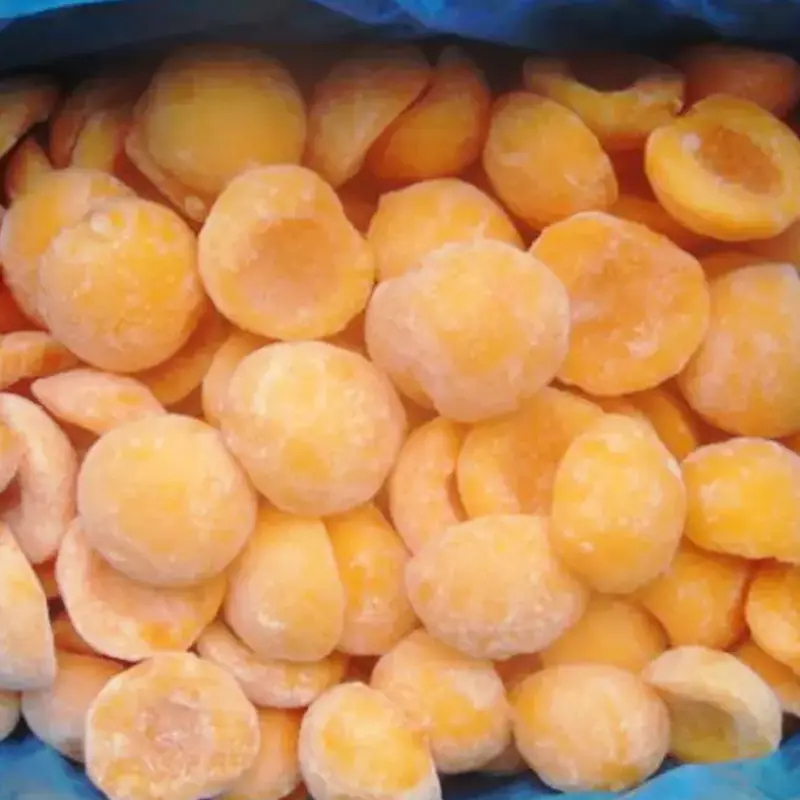
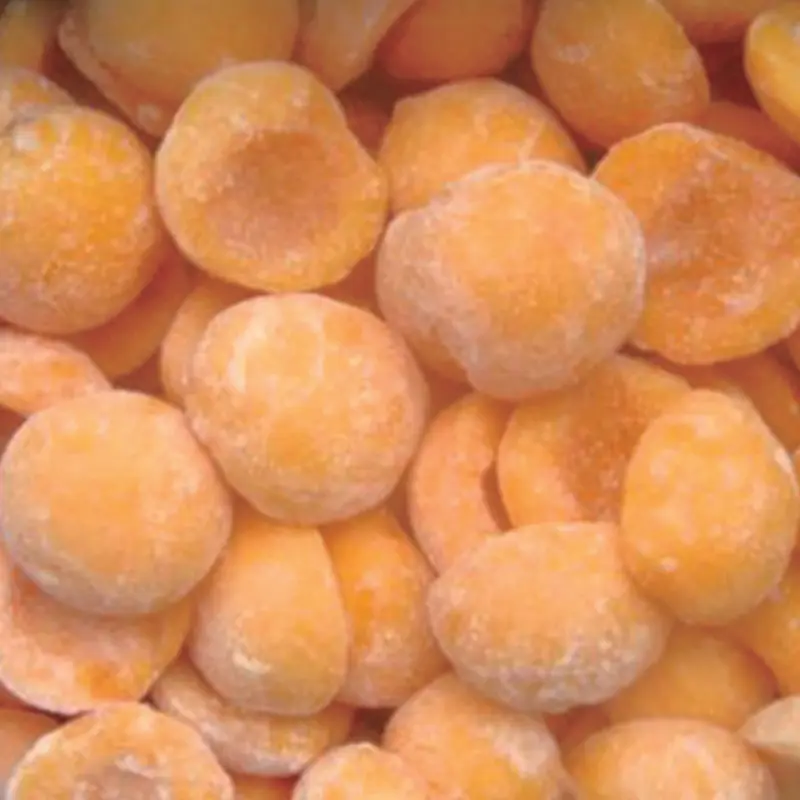
IQF Frozen Yellow Peach Halves refer to a fruit product made by quickly freezing fresh yellow peaches through low-temperature quick-freezing technology for long-term preservation. These peach halves retain the sweet, juicy texture, delicate flesh, and rich nutrients of fresh yellow peaches, effectively addressing issues such as strong seasonality, short ripening periods (mainly concentrated in summer), and susceptibility to soft rot. As a widely popular deep-processed fruit ingredient, they are particularly suitable for use in baking, desserts, and ready-to-eat food applications.
Production Process
-
Raw Material Selection: Choose fresh yellow peaches with moderate ripeness (7-8/10, avoiding overripe ones which are prone to softening), smooth skin without damage, and no pests or diseases (common varieties include “Golden Delicious”, “Yellow Peach”, and “Kent”).
-
Washing and Removing Impurities: Rinse yellow peaches with running water to remove surface dust, residual pesticides, and debris.
-
Pit and Skin Removal: Remove the pit (yellow peaches have large pits, requiring precise operation) and thin skin using manual or mechanical methods. Some products may retain partial skin to enhance texture, adjusted based on processing needs.
-
Color Protection (Optional): To prevent oxidative browning, some processes involve briefly soaking yellow peach halves in a color-preserving solution containing vitamin C or citric acid (1-2 minutes).
-
Rapid Freezing: Spread processed yellow peach halves in a single layer on trays (avoid stacking and sticking) and place them in a quick-freezing chamber at -35°C to -40°C. The core temperature is reduced to below -18°C within 30 minutes, minimizing ice crystal formation and preserving cell structure and nutrients.
-
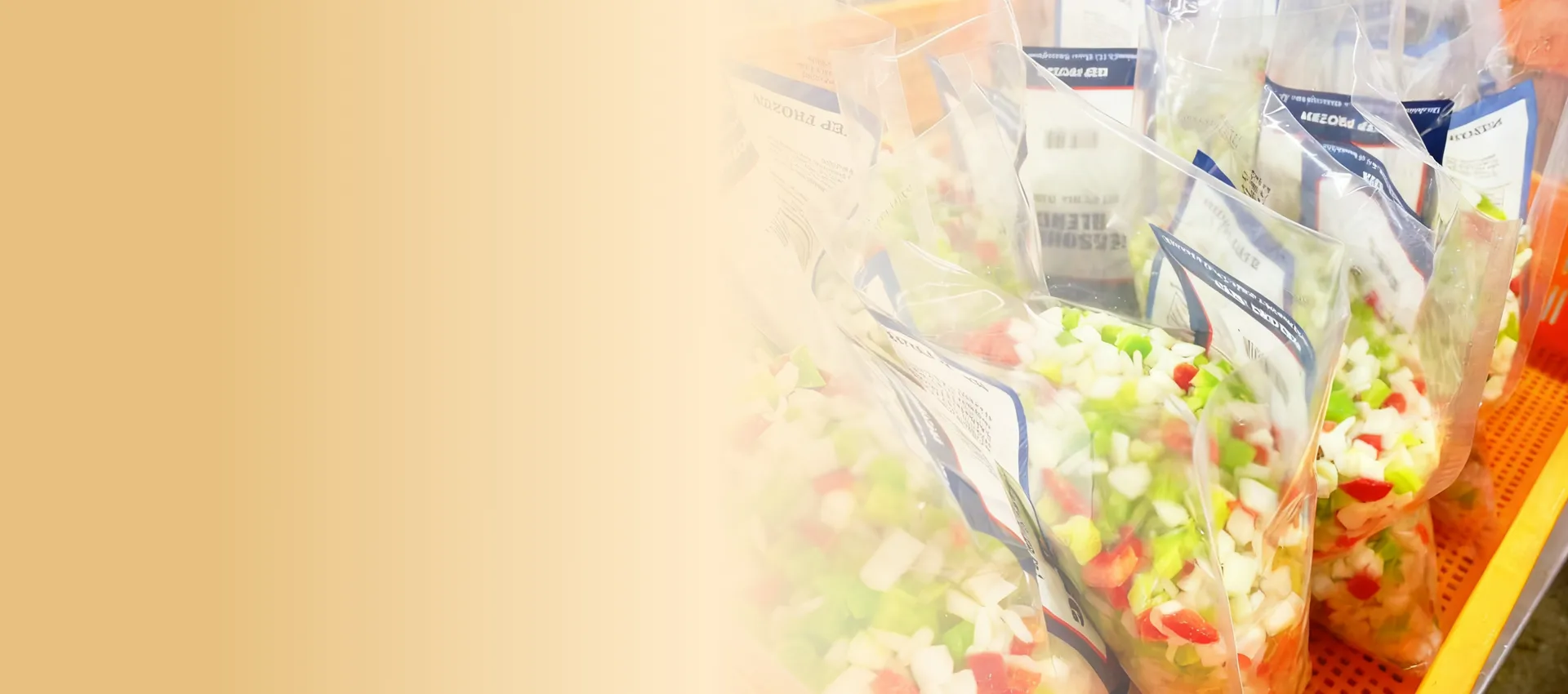
Packaging and Storage: The frozen yellow peach halves are quickly transferred to a cold storage facility below -18°C for long-term storage. Packaging typically uses moisture-proof and oxygen-barrier vacuum bags or individual small packs (some products are also nitrogen-flushed for enhanced preservation).
Key Advantages
-
Comprehensive Nutrient Retention: The quick-freezing process preserves vitamin C, β-carotene, dietary fiber, and natural fructose in yellow peaches, with a nutrient loss rate of less than 10% (compared to over 30% for traditional freezing or room-temperature storage).
-
Season-Independent Supply: Fresh yellow peaches are mainly harvested from June to August, but IQF Frozen Yellow Peach Halves ensure a stable supply throughout the year, meeting the needs of food processing and consumers.
-
Convenient and Efficient Use: No need for washing, peeling, or cutting (some products are pre-processed), making them ready to use directly in baking (cakes, tarts, puddings), desserts (jellies, jams, ice cream), beverages (smoothies, fruit tea), or as a ready-to-eat snack (thawed for immediate consumption).
Application Scenarios
-
Bakery Industry: Used in yellow peach cakes, peach crumbles, peach crepes, etc., adding a natural fruity aroma and moist texture to pastries.
-
Desserts and Cold Drinks: Served as ice cream toppings, yogurt mix-ins, or used in yellow peach mousse, jellies, smoothies.
-
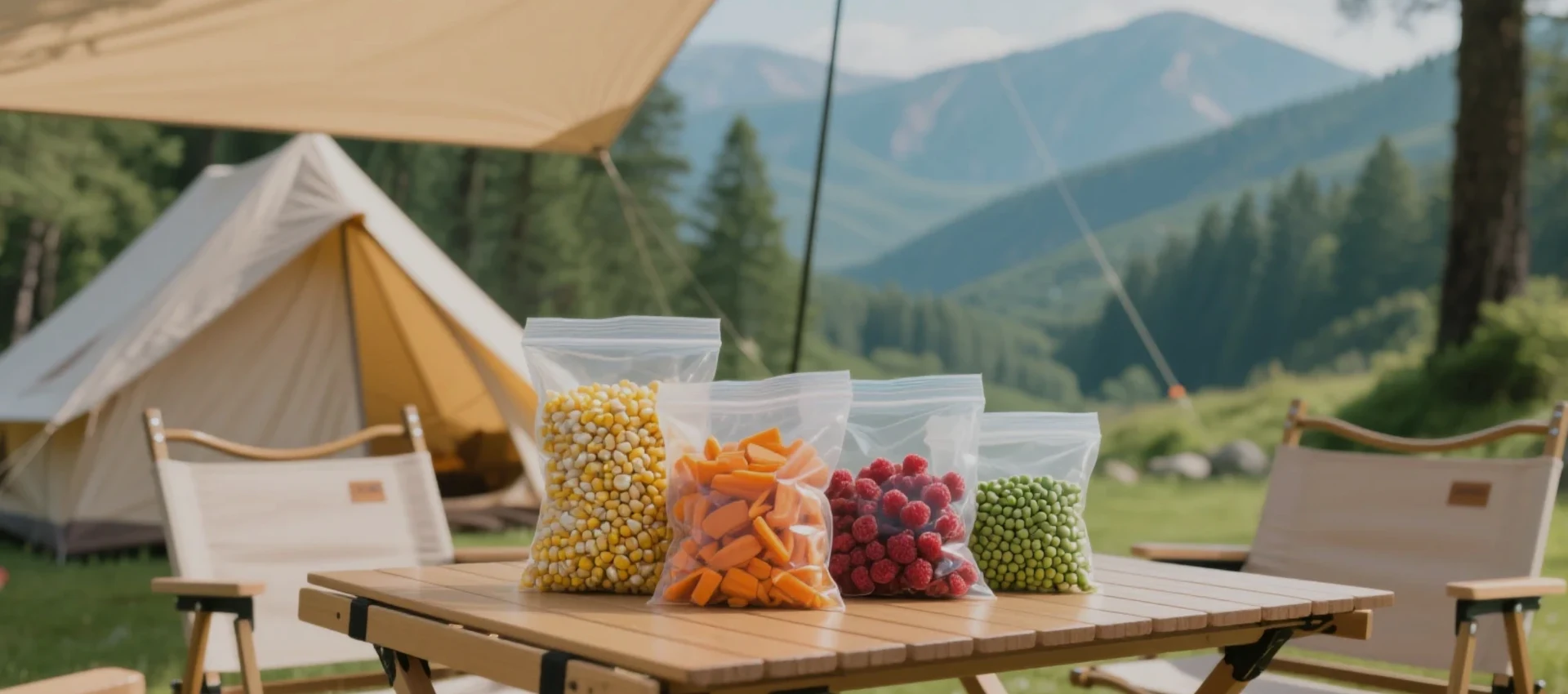
Ready-to-Eat and Convenience Foods: Thawed and sold in containers (e.g., “ready-to-eat yellow peach cups”) or used in portable fruit cups and picnic platters.
-
Food Processing Ingredients: Used as a preservative-reduced alternative to canned peaches, purees, dried fruits, or mixed dried fruits (combined with apples, pears, etc.).
Quality Tips
-
Prioritize products labeled “no sulfur added” or “preservative-free” (yellow peaches are prone to browning; some low-cost products may use sulfur dioxide for color preservation).
-
Check if the packaging is tightly sealed to prevent oxidation and spoilage (high-quality products usually have labels indicating “store below -18°C”).
-
Store at a stable temperature below -18°C and avoid repeated thawing and refreezing (which can cause cell rupture, resulting in soft texture and juice loss).
-
Thaw in the refrigerator (4°C, 6-8 hours) or in cold water (sealed package, change water every 30 minutes for approximately 2 hours); avoid thawing at room temperature, as this accelerates nutrient loss.