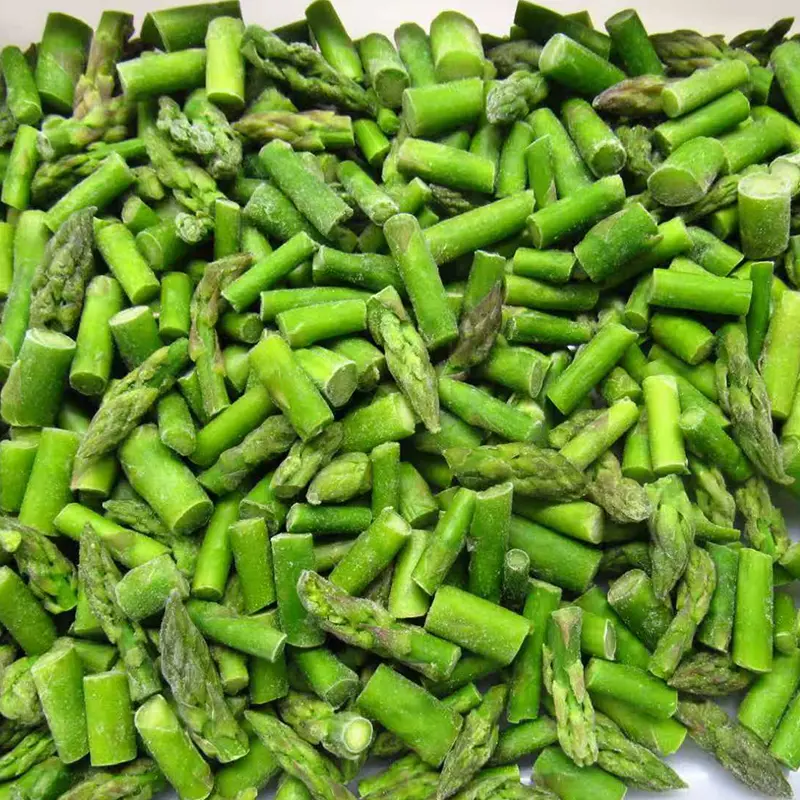
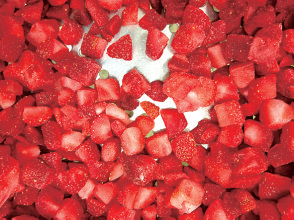

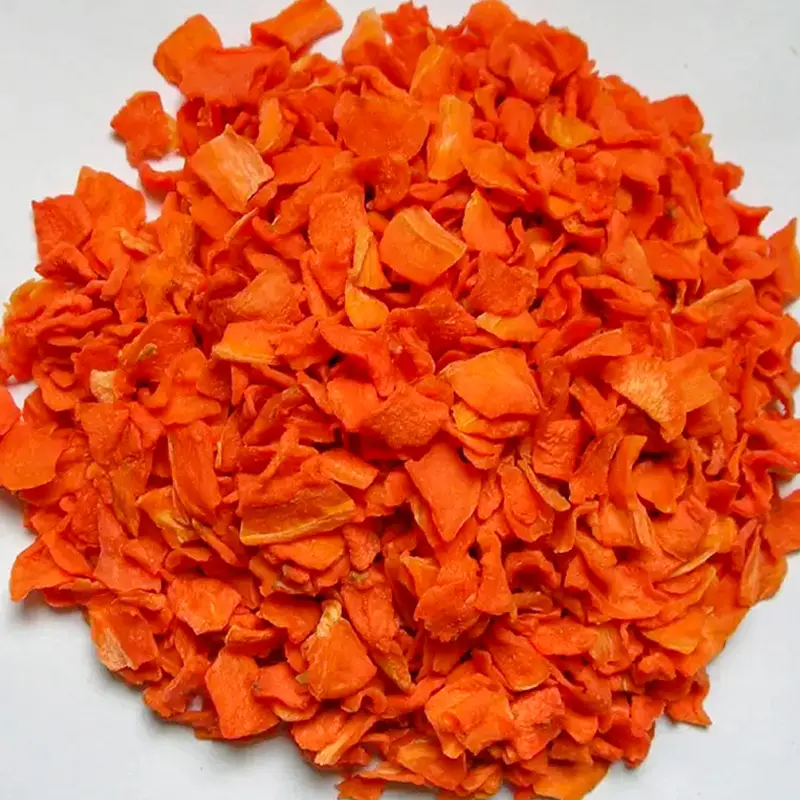
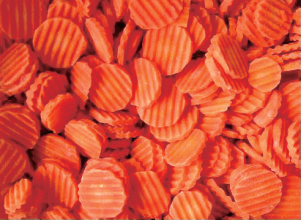
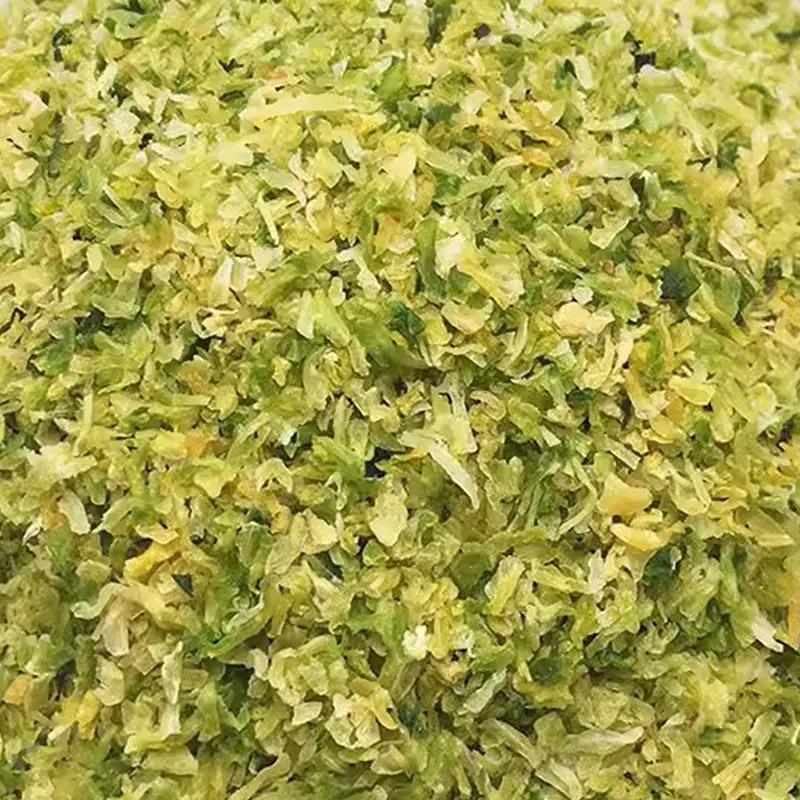
Introduction: Why the Question Matters
Today, consumers and other stakeholders in the food industry debate the question: ” Are frozen vegetables as healthy as fresh? ” The answer has a significant impact on the design of food services, retail, nutritional content, processing decisions, supply chain management, and communication with consumers. On the other hand, fresh fruits are considered to be superior, directly from the farm, and full of vitamins and enzymes.
Conversely, frozen vegetables have the benefit of providing convenience, a shelf life, a preservation method that is at its most efficient, and potentially lower waste. For those involved in the food industry, the complexity is in understanding the difference between frozen vegetables and fresh produce, the nutritional and functional differences, the processing or storage steps that affect quality, and how to source, label, and communicate correctly.
This comprehensive guide will discuss: the different types of frozen vegetables, how they are produced, the nutritional value in comparison to fresh, the processing, storage, and logistics impacts, the functional and industrial considerations (texture, flavor, cost, waste), and the procurement, quality control, and best practices.

Defining “Frozen Vegetables” & Understanding the Supply Chain
-
What are Freeze-dried Vegetables?
“Frozen vegetables” are defined as those that have been harvested, cleaned, and often blanched (for a variety of types). They are then rapidly frozen and stored at or below the typical freezing temperature of (commonly around –18 °C or lower). This is intended for distribution and eventual utilization. As described:
“Frozen vegetables” are defined as vegetables that have a lower temperature and are maintained at a lower level than their freezing point until they are ready for consumption. They are typically more affordable to purchase than their raw counterparts or are shipped while they’re ripe.”
As a result, from a technical perspective, frozen vegetables are different from fresh vegetables only by the method of preservation and the storage conditions. The raw material is typically harvested during or near the peak of ripeness.
-
The supply chain and processing steps
To comprehend the nutritional value of frozen vegetables in comparison to fresh, it’s essential to understand the chain of custody:
Harvest at the peak of its height: Many producers of frozen vegetables harvest at the most mature state, this ensures the greatest possible nutrient content in the produce before freezing.
Cleaning and blanching (for many vegetables): During the process of freezing and storage, enzymes that degrade quality are inactivated, but water-soluble vitamins are also lost (primarily in the event of brief hot water or steam treatment).
Freezing rapidly: Minimizes the damage caused by ice crystals and the loss of nutrients. A quicker freezing rate that preserves the cellular structure and limits the reduction of nutrients.
Maintaining: Freeze-dried vegetables are maintained at a low temperature until thawing or cooking. Less time spent outside of the optimal temperature means less damage.
Alternative chain of fresh produce: In contrast, “fresh” vegetables may be gathered before they are completely mature, then transported, stored, and displayed in stores, each step having the potential to lead to the loss of nutrients.
Understanding these discrepancies in the supply chain leads to a subsequent comparison of nutritional value. It’s not simply about the contrast between frozen and fresh, it’s the specifics of the process, including the time, manner, storage, and preparation before consumption.
Nutritional Comparison: What the Evidence Says
-
Key Findings from Studies
Numerous scientific studies and reviews regarding multiple nutrition facts and the authoritative nature of the data indicate that frozen vegetables are often comparable to fresh in terms of nutritional value. For instance:
News:
Frozen products may have a higher nutritional value than fresh products. The evidence indicates that freezing can increase the nutritional value of products, and the nutritional value of fresh and frozen products is similar.
The differences in nutritional value between fresh and frozen vegetables are so small that it is unlikely that they will hurt your health.
As a result, for those in the professional food industry who choose to freeze vegetables, the primary takeaway is that this does not necessarily lead to a loss of nutritional value — if the processing and storage are proper.
-
Similar nutrients and different nutrients
When considering frozen food vs. fresh food, the primary nutrient classes are: vitamins (particularly water-soluble vitamins like vitamin C and B), minerals, fiber, antioxidants, and phytochemicals.
Minerals and fiber: These are primarily stable; studies have demonstrated that there is little to no difference between fresh and frozen in these classes.
Carotenoids, vitamin A, E: These are typically resistant to freezing.
Other water-soluble vitamins, including folate, are more likely to be lost during the process of blanching, storage, or rewarming.
Antioxidants and chemicals: Some research suggests that frozen vegetables have the same or superior antioxidant properties as fresh vegetables that are stored for a long time period.
As a result, from a perspective of procurement, one should recognize that although most nutrients are retained in frozen vegetables, some of them may be lost—but these losses are typically compensated for by savings on the degradation of fresh produce before consumption.
-
Fresh Losses and Freezing Preservation
Crucial aspect: Fresh vegetables are typically subject to a decline in nutrients following harvest. Healthline reports:
“The vitamin C in fresh fruits and vegetables decreases immediately after harvesting and continues to do so during storage.”
Conversely, frozen fruits (following a rapid process) imbue themselves with nutrients at the peak of harvest.
This phenomenon implies that, in practice, the “fresh” vegetables that you purchase may already have a lower nutritional value than you think — as a result, frozen vegetables are a viable alternative to fresh.
-
Bottom Line: For Healthcare Professionals and Business
From the indictment:
Yes, frozen vegetables are as nutritious as fresh, and in some instances are more beneficial than fresh produce that has been stored or moved for a long time.
The qualifying factors: the frozen vegetables are minimally altered (no extra sauces, no added salt or sugar), they were harvested at their maximum ripeness, they were frozen quickly, and they are stored properly.
The discrepancies in nutritional content are typically small and have little to no significant impact on health outcomes, particularly when the primary goal is to consume vegetables.
As a result, for consumers who eat food-service or who are interested in the nutritional value of plants, frozen vegetables should be considered as being equivalent to live plants in regard to their nutritional value, this is assuming that the selection of products is appropriate.

Beyond Nutrition: Functional & Industrial Implications
While nutrient composition is important, in the food industry and processing industries, there are additional factors that need to be considered when deciding between fresh and frozen: cost, trash, availability, seasonality, processing behavior (texture, flavor), logistics of supply chain, and consumer perception.
-
Price, Efficiency, and Cost of the Supply Chain
One significant benefit of frozen vegetables is a lower waste volume and a longer shelf life. From a supply chain perspective:
Fresh vegetables quickly rotten, have a high degree of spoilage, require a fast rotation, require precise logistics, and significant costs.
Freeze-dried vegetables, which are at their maximum ripeness, provide a consistent year-round supply that is easy to maintain, has a lower cost, and is less prone to spoilage.
As a result, industry managers may consider frozen vegetables to be a strategic option that not only has a nutritional purpose but also is practical.
-
Texture, flavor, and behavior during cooking
The process of (blanching, freezing) can have an effect on the texture and subsequent behavior of vegetables during cooking, which is important in restaurants or pre-packaged meals. For instance, blanching may alter the cell composition; some vegetables are more successful at freezing than others.
While these changes don’t necessarily impact nutrient content, they can affect product quality, mouth-feel, consistency, and consumer acceptability. This implies that the variety, size, time of blanching, and packaging are all important factors in the supply of frozen vegetables for consumption.
-
Seasonality and Variety’s availability
Fresh vegetables are vulnerable to seasonality, local climate, transport issues, shelf life concerns, and price changes. Freeze-dried vegetables make it possible to have a variety of different types that are picked at the most mature state. Food-retail strategists and manufacturers often seek out frozen goods as a way to maintain a consistent supply and cost.
-
Convenience and Consumer Behavior
From the consumer and retail perspective, frozen vegetables have benefits: pre-washed, pre-cut, ready to cook, minimal preparation, and longer storage in the home freezer.
In a business-to-business context (meal-preparation services, manufacturing kitchens, institutional food), the practicality of the storage, decreased preparation time, portion control, and waste reduction is significant in the operational sense.
-
Acquisition, Food Safety, andlabeled products
Freeze-dried vegetables must follow strict protocols for maintaining the cold chain, controlling pathogens (Listeria, etc), sterilizing/blanching processes, and proper labelling (list of ingredients, any additions).
From the perspective of procurement and quality control, the supply of frozen vegetables is dependent on strong management of the supply chain and quality assurance processes (batch testing, temperature log, and traceability), just as much as the supply of fresh vegetables.
Best Practices for Using Frozen Vegetables in Professional Settings
Since frozen vegetables can be as healthy as fresh, and have the same practical benefits, professional food industry participants should follow the most effective practices in order to increase quality, nutrition, and cost.
-
Selecting High-quality Products
Select vegetables that are frozen with no additional salts, sugars, or flavorings;
Check the ingredient lists: only the vegetable (and possibly a freezer), no additional ingredients.
Select reliable suppliers that have proven processes for freezing or blanching, with certification or internal testing that retains nutritional value.
Examine the packaging for signs of freezer-burn, ice crystals that indicate the freeze-thaw process of refreezing.
Limit the varieties that you focus on to those that can freeze well (peas, broccoli, spinach), and correct the size of the cut or blanch it for your intended use.
-
Handling, Storing, and Processing
Maintain a cold chain that is continuous from the supplier to the kitchen or facility where manufacturing; once the product is thawed, its integrity will decline rapidly.
Keep at the recommended temperature of freezer storage (typically -18 °C or lower) and follow the first-in, first-out (FIFO) principle.
Control the portion and batch sizes as much as possible to minimize the number of thaw/refreeze cycles that adversely affect the quality.
During the preparation process, be aware that frozen vegetables have a shorter cook time than raw vegetables. This is because they are first blanched in the freezer.
Combine into recipes and menus the knowledge of how to recognize differences in texture and moisture content (freeze-dried may release more water when thawed or reheated).
-
Communicating the nutritional value of food to consumers or clients
When advertising or promoting a particular menu item, mention that frozen vegetables have a comparable nutritional value to fresh vegetables if they are properly stored and processed.
Provide data or examples that demonstrate the retention of nutrients, such as the stability of antioxidants and other vitamins.
Mention operational benefits: Constant supply, stable costs, less waste. This supports the goals of sustainability.
For healthy eating initiatives, focus on the volume of vegetables consumed, rather than simply the freshness of the product. Because the primary goal is to increase consumption, frozen vegetables can be part of the initiative.
-
Incorporating into both Supply and Menu Planning processes
Use frozen vegetables to cover the gaps in the season’s supply or high-cost periods of freshness; this will stabilize the cost of the menu.
For large-scale food manufacturing or service, they can control the variance of yield and costs by combining frozen assets with fresh ones when appropriate.
Watch the quality of the senses (texture, color, flavor) of fresh and frozen food – some consumers or clients may believe that frozen food is less desirable, so choose superior quality lines of frozen food.
Incorporate the frozen mixture of vegetables into meal packages, pre-prepared food, and institutional food that is both cost-effective and nutritious.
Addressing Common Misconceptions and Criticisms
-
“Fresh is most beneficial.”
While intuitive, this claim is not always accurate in practice. However, if you’re shopping at the supermarket, frozen fruits may be comparable to or more nutritious than fresh varieties.
As a result, the freshness, transportation, storage, and display duration of “fresh” products must be taken into consideration. A new vegetable that has been transported, then retail for a few days, may have a lower concentration of nutrients than a frozen vegetable that was picked, processed, and then frozen in a few hours.
-
“Freezing is detrimental to nutrients.”
This is partially accurate in that some processing steps (blanching) and long-term storage can detrimentally affect certain nutrients, particularly water-soluble vitamins. However, the process of freezing itself, if conducted with care and at a rapid rate, will cause a limited amount of extra nutrient loss.
Food industry participants should describe the freezing process, protocols for blanching, and the maximum shelf life of products in order to maintain quality.
-
“Vegetables that are frozen lack both flavor and texture.”
The process of processing (blanching, freezing, thawing) inevitably alters some structural properties (cell walls, moisture release) that may have an effect on the mouthfeel or culinary behavior. That doesn’t mean that nutritional value is automatically less. Many manufacturers attempt to mitigate this through optimized methods of blanching, packaging and freezing. From a manufacturing perspective, it’s important to test the sensory properties of your product before assuming it’s inferior.
Future Trends & Considerations for 2025 and Beyond
Future perspectives, the position and perception of frozen vegetables in the food industry, nutrition, and sustainability, are changing.
-
Sustainability and Reduction of Waste
Food-service chains, institutional clients, and food-makers are being pressured to reduce waste, optimize supply chains, and manage costs. Freeze-dried vegetables facilitate the attainment of these goals – their longer shelf life, reduced deterioration, and constant supply allay the operational goals of sustainability.
-
Increasing the value of products and services through premiumization and additional value offerings
In the frozen-vegetable category, there is a shift towards higher-end lines: non-GMO, organic, “flash-frozen in the field”, “one ingredient, no adds”, “sustainably sourced”. The importance of nutrition and ingredient quality is increasing. For consumers, requiring the sourcing of ingredients, the freezing of protocols, and the certification of analysis (COA) will distinguish quality.
-
Functional Components and Easygoing
Freeze-dried vegetables are increasingly involved in pre-packaged food, meal kits, ready-to-eat solutions, and industrial food manufacturing. Because they maintain nutrients and provide ease, they support functional food approaches (vegetable-rich meals, fiber supplementation, hygienic labeling). Food manufacturers should predict a higher demand for blends of vegetables that are frozen and optimized for the purpose of cooking, portion control, and the retention of nutrients.
-
Consumer Perceptions and Labelling
While industry experts recognize the benefits of frozen vegetables, the consumer’s perception lags in terms of freshness (“better = fresh”). In 2025, the practice of transparent labeling, educational communications, and certification (e.g., “picked at its peak, flash-frozen in 6 hours”) will contribute to a shift in perspective. Marketing campaigns should promote ” nutrient-preserved” and “peak ripeness”, rather than just “freeze”. Retailers and manufacturers should harmonize the way they describe products, their packaging, and the way they promote themselves via digital marketing.
-
The resilience of the supply chain and global challenges.
Global supply chains, climate change, labor issues, and logistics issues all contribute to the risk of spoilage, price increases, or availability issues. Freeze-dried vegetables reduce these hazards. For consumers who buy industry products, the practice of building a sourcing strategy for frozen vegetables that is either as a supplement or alternative to the main supply is becoming more common.
Summary and Key Recommendations for Food Industry Professionals
To conclude:
Freeze-dried vegetables can be as healthy as fresh, and in many practical retail scenarios, they may be more nutritious because they are harvested at their maximum ripeness and processed quickly.
Key nutritional categories that are well-preserved include fiber, minerals, carotenoids, and water-soluble vitamins. However, these categories may incur a small loss during the process of storage or freezing, but they are typically balanced by the benefits of the process over the decline in fresh produce.
For those involved in food service, manufacturing, retail, and nutrition, frozen vegetables have benefits associated with them: year-round accessibility, lower waste, predictable expense, and convenience.
Selection is important: choose plain frozen vegetables, validate the supply chain (time of freezing, blanching, storage), and monitor the quality or texture of your end product.
Communication and labeling should be proportional to the nutritional value of the frozen vegetables and the benefits they provide to the consumer; these misconceptions are addressed in the market.
For the future, strategies that are frozen in time are connected to sustainability (reduction of waste), additional value, resilience of the supply chain, and programming of nutritional value.