...

Industry blogs

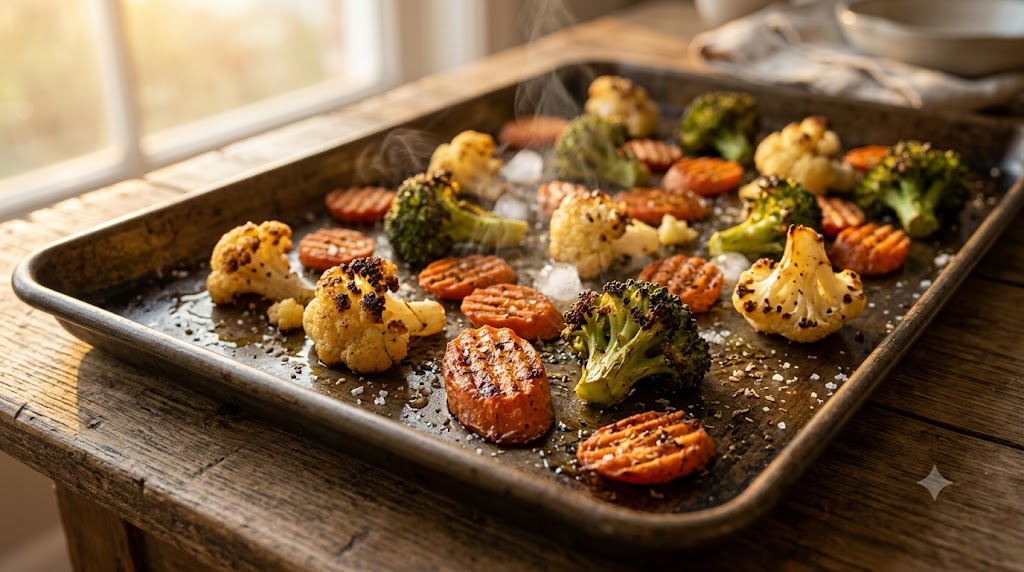
Fresh vegetables spoil easily, posing a challenge for healthy meal prep, while traditional frozen vegetables have long been criticized for their mushy texture and excess moisture. However, thanks to advanced food preservation technology and global supply chains, a new culinary trend shows that frozen vegetables—even when cooked straight from the freezer—can yield chef-quality dishes featuring delicious caramelized notes. By employing the right dry-heat roasting techniques—such as skipping the thaw, using ultra-high temperatures, and avoiding overcrowding the pan—frozen vegetables can shed their mushy reputation. Instead, they develop an appetizing golden-brown char and a rich, crisp texture, making them a convenient, economical, and nutritious kitchen solution.
Discover why frozen fruit is a highly nutritious and healthy choice, retaining most of its vitamins, minerals, and antioxidants while offering year-round convenience, longer shelf life, and versatility for smoothies, desserts, and everyday meals.
Learn whether red peppers can be frozen without blanching and how this method affects their texture, flavor, and storage quality for convenient long-term use in cooking.
Discover whether frozen potatoes are any good by exploring their taste, texture, nutrition, and convenience compared to fresh potatoes, helping you decide if they’re a practical choice for everyday cooking.
Learn how green onions can be frozen to preserve their freshness, flavor, and nutrients for long-term use, making them a convenient ingredient for soups, stir-fries, and everyday cooking.
Learn how to cook frozen mukimame quickly and easily using boiling, steaming, microwaving, or stir-frying methods to create a nutritious, protein-rich ingredient for salads, bowls, soups, and everyday meals.
Yes, green peppers can be frozen easily, and while they lose some of their crisp texture, they retain their flavor and nutritional value, making them ideal for cooked dishes like stir-fries, soups, and casseroles.
Freezing green onions helps preserve their flavor and nutritional value for months, reduces food waste, and provides a ready-to-use ingredient that makes meal preparation faster and more convenient.
Yes, celery can be frozen for later use, and while its crisp texture softens after thawing, it remains excellent for soups, stews, casseroles, and other cooked dishes.
Yes, frozen cauliflower can be roasted beautifully—when cooked at high heat with the right seasoning, it develops crispy edges, rich flavor, and a tender texture without needing to thaw first.

Tell me what you need