تخطي إلى المحتوى


Demand for convenient, plant-based foods is rising rapidly. But are dehydrated vegetables healthy for your family? Drying foods has preserved harvests safely for centuries. Do these staples actually retain their original nutrients? In this post, you’ll learn their true health benefits, potential risks, and how to choose safely.
What Are Dehydrated Vegetables?
People often ask, are dehydrated vegetables healthy? To answer this, we first need to look at what they actually are. Dehydration simply means removing the water from fresh produce. This process extends shelf life for months or even years. It also attempts to preserve the original nutritional value.
Producers use several different methods to dry crops. Sun-drying is the oldest traditional technique. Today, industrial facilities rely on faster, safer technology. Air-drying uses warm air to create ad vegetables. Freeze-drying removes moisture using a cold vacuum.
Quality control matters heavily during this processing stage. At JSVEG, a core subsidiary of JCOF, we produce dehydrated vegetables in modern facilities. We ensure all products meet strict international standards. These include HACCP, BRC, ISO, and HALAL certifications. Rigorous sorting and washing steps keep the ingredients completely safe before drying.
You probably have some of these staples in your kitchen right now. Everyday ingredients include dehydrated onions, dehydrated cabbage, and dehydrated carrot. They usually come in a few convenient formats.
| Product Format | Common Kitchen & Industry Uses |
|---|---|
| Flakes & Dices | Soups, stews, and plant-based meat alternatives. |
| Granules | Spice mixes, rubs, and vegetarian pet food. |
| Powders | Natural food coloring and vegetable-infused beverages. |
Why remove the water in the first place? It comes down to basic food safety. Bacteria, yeast, and mold need water to survive. Without moisture, they simply cannot grow. This natural preservation prevents spoilage. It makes dried produce a highly safe, reliable storage option.
Nutritional Facts: Are Dehydrated Vegetables Healthy Compared to Fresh?
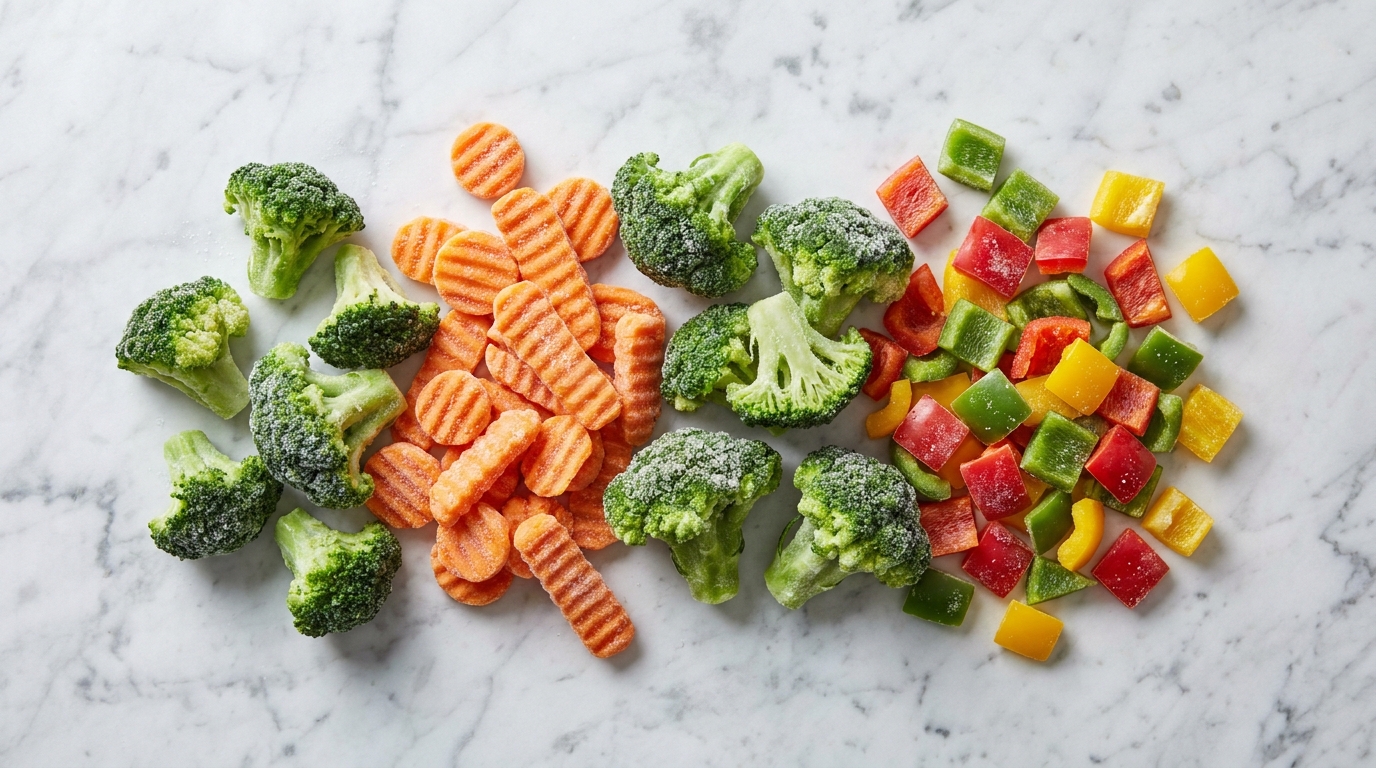
We just saw how removing moisture stops mold and bacteria. This natural preservation makes storage incredibly safe. But what happens to the food itself? When producers take away the water, the nutritional makeup changes. So, are dehydrated vegetables healthy when compared side-by-side with fresh produce? Let’s look closely at the facts.
Macronutrients and Caloric Density
Water makes up the vast majority of fresh produce. When it evaporates, the vegetable shrinks significantly. This means everything left behind becomes highly concentrated per ounce.
If you eat a cup of fresh pumpkin versus dried, the dried version packs way more calories. Natural sugars also concentrate tightly in the smaller volume. You must watch your portion sizes carefully.
However, this concentration applies to the good stuff too. They retain their complex carbohydrates perfectly. Healthy plant-based proteins also survive the drying process intact. For example, a dehydrated sweet potato offers a dense source of sustained energy. This makes these ingredients ideal for meat-free diets and vegan recipes.
Vitamin and Mineral Retention
People often ask if vegetables lose their vitamins during drying. The answer really depends on the specific nutrient.
Minerals are incredibly stable. Iron, potassium, and magnesium easily survive the rigorous dehydration process. Fat-soluble vitamins, like Vitamin A and Vitamin K, also hold up very well over time.
On the flip side, some nutrients are fragile. Water-soluble vitamins wash away or break down easily. Vitamin C and certain B vitamins are highly heat-sensitive. Traditional air-drying methods use warm air, which often reduces these specific vitamins.
At JSVEG, our modern production facilities help mitigate these losses. We carefully control processing temperatures to balance microbial safety with nutrient retention. This ensures our ad vegetables maintain their core nutritional profile.
Here is a quick breakdown of nutrient survival:
| Nutrient Type | Examples | Retention Level |
|---|---|---|
| المعادن | Iron, Potassium, Magnesium | عالية |
| Fat-Soluble Vitamins | Vitamin A, Vitamin K | عالية |
| Complex Carbs | Fiber, Starches | عالية |
| Water-Soluble Vitamins | Vitamin C, B Vitamins | Moderate to Low |
Dietary Fiber Content
If you want to improve your digestion, dried veggies are fantastic. Dietary fiber simply does not evaporate.
Because the water is gone, they become incredibly concentrated sources of fiber. Eating just a small handful provides a massive boost to your daily intake. This fiber promotes excellent gut health and keeps you feeling full longer.
You can easily add dried vegetable powder to soups or sauces. It thickens the recipe while sneaking in extra fiber. Dehydrated red pepper and dehydrated green pepper also add great texture to stews. They deliver the same digestive benefits as their fresh counterparts, just in a much smaller package.
Top Health Benefits of Dehydrated Foods
We just saw how dietary fiber survives the drying process to support your gut. This concentrated nutrition leads directly to our main question. Are dehydrated vegetables healthy for your daily routine? The short answer is an absolute yes. Beyond just retaining fiber, they offer several powerful advantages.
Rich in Antioxidants
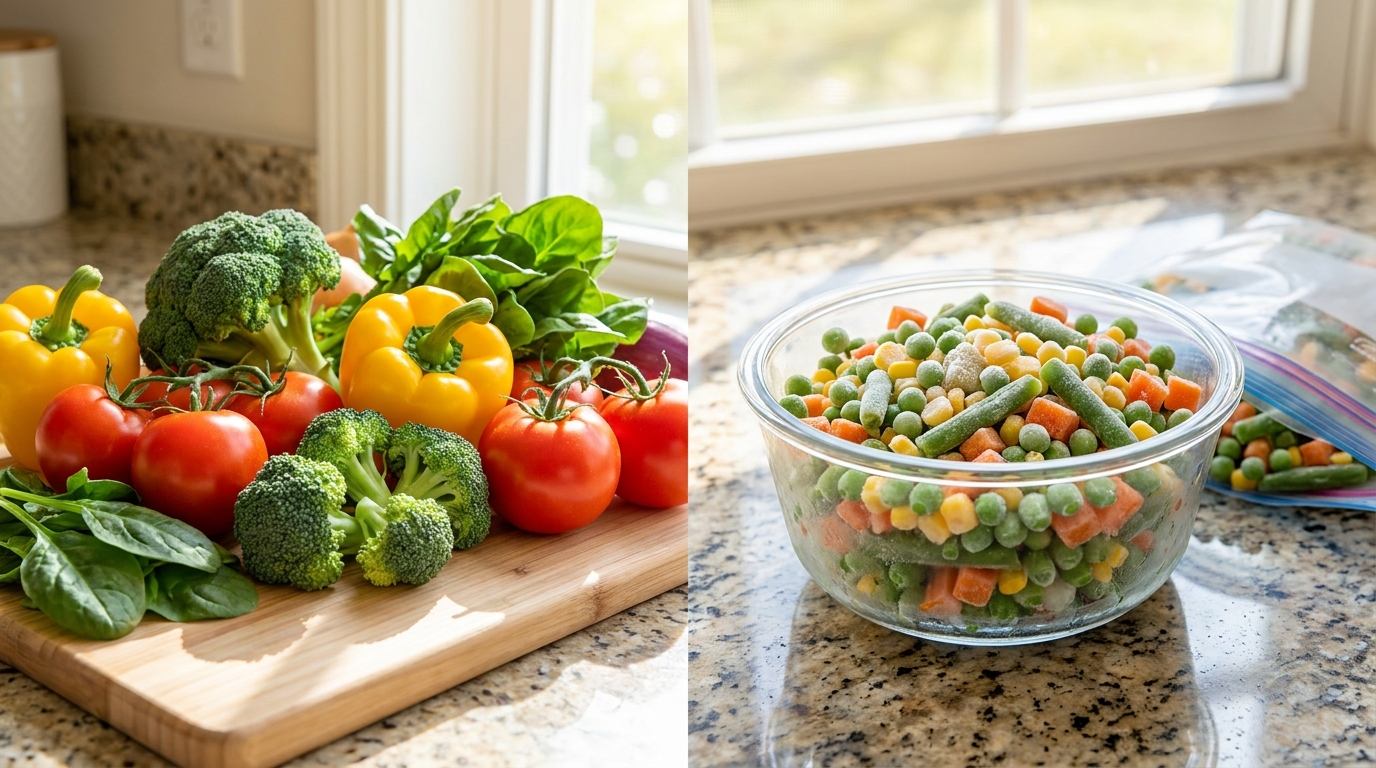
Your body fights oxidative stress every single day. Antioxidants act as your natural defense system. When water evaporates during processing, these vital compounds become highly concentrated. Eating a small portion of dried produce delivers a massive antioxidant punch. They actively help protect your cells from daily damage. This concentration makes them a highly efficient addition to any meal plan.
Convenient Nutrition
Many people struggle to eat enough fresh produce. Busy schedules make daily meal prep difficult. Picky eaters often reject the mushy texture of cooked greens. Dried options solve these exact problems beautifully.
You can easily blend dried vegetable powder into sauces, stews, or smoothies. They provide a simple, hidden way to boost daily intake. Parents love sneaking them into family dinners. Food manufacturers also use these powders to create vibrant, natural food coloring. This smart swap replaces synthetic dyes while adding real nutritional value.
Clean Eating Options
Clean eating is a major priority for modern families. Consumers want foods free from harmful chemicals. The rise of organic dehydrated vegetables perfectly meets this growing demand. They offer pesticide-free, nutrient-dense snacking alternatives.
At JSVEG, our strict quality control ensures complete ingredient safety. We process our products in modern facilities meeting HACCP, BRC, and ISO standards. This guarantees you receive pure, clean ingredients every time. You can confidently enjoy them in warm soups or as crunchy dehydrated veggie chips on the go.
Specific Superfoods
Some crops stand out as true nutritional powerhouses. They retain incredible health properties after moisture removal. Here is a quick look at some top performers:
- Dehydrated Sweet Potato: As we covered earlier, this ingredient provides excellent sustained energy. It also packs a massive dose of beta-carotene for eye and skin health.
- Pumpkin: An established healthy staple. It delivers concentrated doses of immune-boosting vitamins.
- Cauliflower: A rapidly emerging star in the dried category. It offers a low-carb base for plant-based meat alternatives and creative recipes.
These specific superfoods prove just how beneficial dried ingredients can be. They easily elevate the nutritional profile of your favorite meals.
Potential Health Risks and What to Avoid
We just explored how superfoods like pumpkin and cauliflower offer incredible benefits. They truly elevate your daily meals. But are dehydrated vegetables healthy in every single situation? Not always. While the raw ingredients are fantastic, commercial manufacturing can introduce hidden problems. You need to know exactly what to look for. Let’s examine the potential risks.
Added Sugars and Sodium
Many brands try to enhance flavor artificially. They take a perfectly healthy plant and coat it in salt. They also add extra unnecessary sugars. This happens frequently with popular commercial snack items.
If you grab a bag of dehydrated veggie chips, you might consume excess sodium. You must read the nutrition labels carefully. Look for suppliers offering pure, unadulterated ingredients. A simple batch of dehydrated onions should contain exactly one ingredient. Skip the products hiding long lists of added flavorings.
Preservatives and Sulfites
Color matters heavily to consumers. People want their food to look vibrant and fresh. Some producers use artificial additives and sulfites. They do this to maintain bright colors over time.
These preservatives can trigger bad allergic reactions. Sensitive individuals often experience respiratory issues. Asthma sufferers are especially vulnerable to sulfites. You do not need these chemicals for high-quality products. Modern preservation technology makes them completely unnecessary.
As a core subsidiary of JCOF, JSVEG specializes in pure ingredient production. We process our dehydrated fruits and vegetables using modern production facilities. Our strict quality control ensures we meet international standards. We proudly hold HACCP, BRC, ISO, and HALAL certifications. This rigorous approach guarantees total food safety. You get clean ingredients like dehydrated carrot or dehydrated cabbage without harsh chemical preservatives.
Overeating and Portion Control
As we covered earlier, removing water shrinks produce drastically. Calories and natural sugars become highly concentrated. This tiny package makes overeating incredibly easy.
You can mindlessly eat three whole bell peppers in one sitting. You must practice strict portion control to avoid weight gain. Treat them as a dense nutritional supplement rather than a bottomless snack.
Measure out your servings before you start eating. A small handful of freeze-dried veggie snacks is usually plenty. Proper portioning ensures you get the benefits without the excess calories.
Snack Showdown: Dehydrated Veggie Chips vs. Freeze-Dried Veggie Snacks
We just discussed how easily you can overeat dense, dried foods. You might grab a handful of snacks thinking they are great for your body. This brings up a massive debate in the snack aisle. Are dehydrated vegetables healthy when they come in a shiny commercial bag? It heavily depends on the exact processing method used. Let’s compare two very popular options.
Understanding the Differences
You see them everywhere now. Colorful bags of veggie chips look like the perfect junk food alternative. But are commercial dehydrated veggie chips actually healthy? Often, they are simply not. Many store-bought brands use highly misleading labels. They take starchy bases and deep-fry them in highly processed oils. This completely defeats the purpose of eating plant-based foods.
Instead of true air-drying or infrared treatment, they rely on cheap frying methods. You end up eating a potato chip disguised by a tiny bit of vegetable powder. True dehydration simply removes moisture using circulating air or low heat. It never requires unhealthy oils to achieve that satisfying crunch.
This brings us to a superior alternative. freeze-dried veggie snacks offer a completely different experience. This process freezes the raw produce first. Then, a vacuum pulls the ice directly into vapor. What is the final result? The plant retains its original cellular structure perfectly.
It stays light, airy, and incredibly crispy. You get this amazing texture without a single drop of added oil. This advanced method also protects fragile, heat-sensitive nutrients. You get maximum flavor and nutritional integrity from every single bite.
At JSVEG, we specialize in both frozen and dehydrated produce. Our modern production facilities handle these delicate processes with total precision. We know exactly how much care goes into preserving raw ingredients safely. Whether processing dehydrated green pepper for complex recipes or preparing snacks, quality control is everything. We rely on strict international standards to ensure complete ingredient safety.
How do you pick the right bag at the store? You must become a very smart label reader. Here are a few quick tips for choosing the healthiest snacks:
- Check the Oil: Put the bag back if you see canola oil. Avoid palm oil on the ingredient list entirely.
- Look for One Ingredient: The best snacks contain only the vegetable itself. A bag of dried carrots should just be carrots.
- Feel the Weight: Freeze-dried items feel incredibly light inside the bag. Fried chips feel heavy and dense by comparison.
- Examine the Color: Natural processing leaves the plant looking fresh. Dark or greasy spots clearly indicate deep-frying.
Creative Ways to Use Dried Veggies in a Healthy Diet
You just learned how to avoid greasy, processed chips. You know exactly how to read labels for pure ingredients. But snacking straight from the bag is just the beginning. Are dehydrated vegetables healthy when you cook them into your everyday meals? Absolutely. They offer incredible versatility in the kitchen. Let’s explore some fantastic ways to use them daily.
Smoothies and Baking
You can easily boost your family’s nutrition minus any strange textures. Simply blend dried vegetable powder into your morning smoothies. It dissolves instantly. You get all the essential vitamins minus any chunky bits. This fine powder also works absolute wonders in the oven.
Try these simple baking upgrades:
- Fresh Pasta: Knead spinach or beet powder into your dough for vibrant, natural colors.
- Bread Dough: Fold savory vegetable powders into your favorite artisan loaf recipes.
- Pancakes: Hide extra nutrients inside sweet breakfast batters.
It even acts as a brilliant natural food coloring. Commercial producers often use vegetable-derived colors to replace synthetic dyes. You can do this at home easily. A scoop of vibrant powder makes meals visually stunning.
Soups, Stews, and Stir-fries
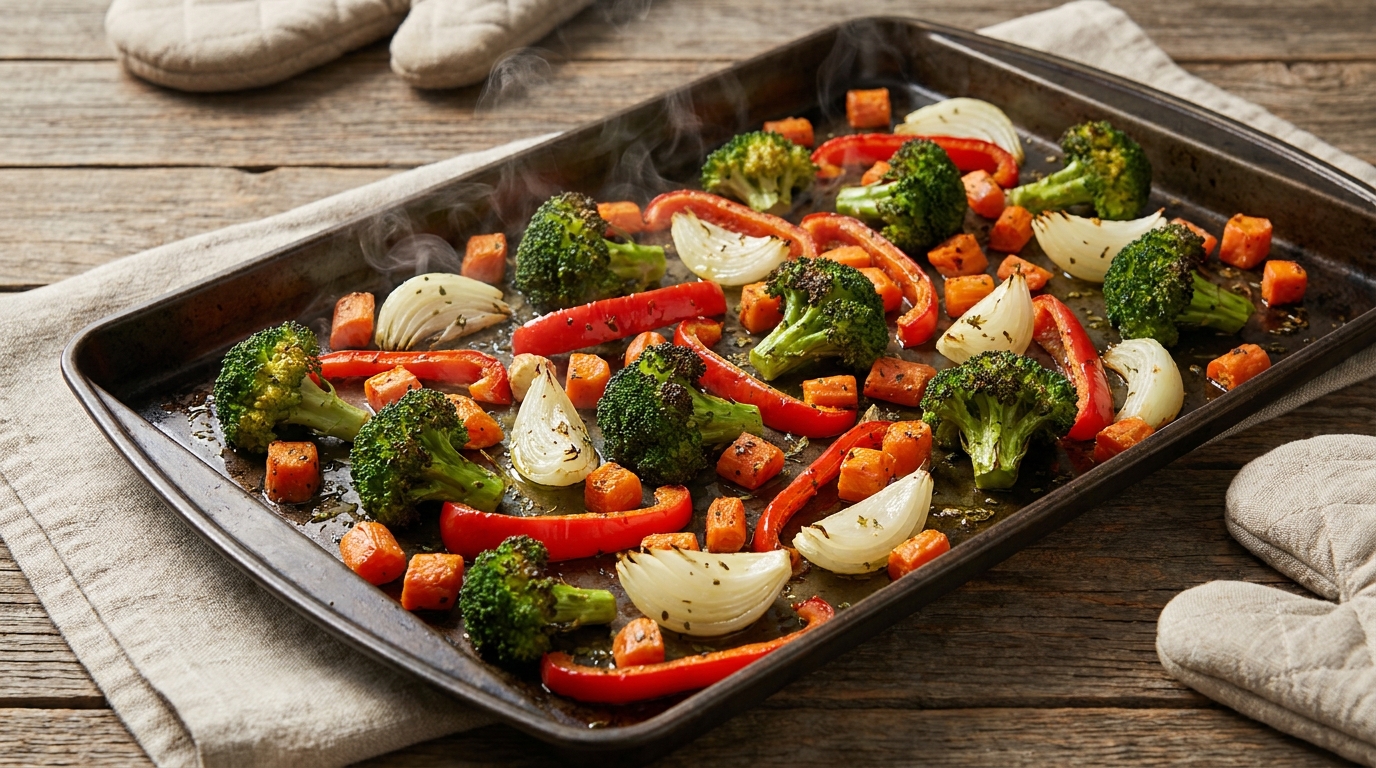
Weeknight dinners often feel incredibly rushed. Rehydrating dried ingredients saves massive amounts of prep time. You skip the washing, peeling, and chopping entirely. Toss a handful of dehydrated red pepper alongside some dehydrated green pepper right into your simmering soups. They soak up hot broth quickly. They return to their original, flavorful state in minutes.
Quality matters immensely for these hot meals. As a core subsidiary of JCOF, JSVEG specializes in producing and exporting premium dehydrated fruits and vegetables. We utilize modern production facilities. This ensures every flake and dice meets strict international standards. Our HACCP, BRC, ISO, and HALAL certifications mean you get perfectly safe ingredients. They perform beautifully in complex recipes and hearty stews.
Camping and Backpacking
Outdoor enthusiasts face a very unique challenge. They need highly nutrient-dense food. It must also weigh almost nothing. Are dehydrated vegetables healthy for long, grueling hikes? They are the ultimate trail companion.
The dehydration process removes heavy water weight. It prevents spoilage naturally. You can pack weeks of vegetables into a tiny backpack space. Just boil water at your campsite. You will enjoy a hot, vitamin-packed meal under the stars. It beats lugging heavy cans every single time.
Custom Seasoning Blends
Store-bought spice mixes often hide excessive salt. You can easily make your own healthy flavor enhancers. Just grind dried vegetables into fine granules. They create incredible, low-sodium rubs for meats.
They also work beautifully for plant-based proteins. Creating successful vegetarian sausages requires specific textures. Vegetable granules provide the perfect “missing link” in flavor and mouthfeel. You control exactly what goes into your seasoning. This keeps your meals delicious. It also keeps them completely aligned to your dietary goals.
How JSVEG Ensures Healthy and Safe Dehydrated Vegetables
You control exactly what goes into your custom seasoning blends. But real quality control starts long before ingredients reach your kitchen. The true answer to “are dehydrated vegetables healthy” depends heavily on where they come from. A reliable supply chain is absolutely critical. Global logistics gridlocks can sometimes threaten ingredient consistency. You need a source handling everything perfectly from farm to processing.
This is where we step in. JSVEG operates as a core subsidiary of JCOF. We specialize in the production, processing, and export of frozen fruits and vegetables and dehydrated fruits and vegetables. We manage the raw material supply chain directly. This ensures every batch of dehydrated carrot or dehydrated cabbage retains its core nutritional profile.
Processing vegetables correctly requires advanced technology. We utilize modern production facilities to handle the entire workflow. The industrial process involves careful sorting, washing, peeling, and cutting. We rely on strict quality control at every single step. Precise air-drying methods lock in natural vitamins and minerals. Sometimes, infrared technology acts as an all-natural treatment process. It ensures microbial control without using harsh chemicals. This keeps the final product highly nutritious for extended periods.
Are dehydrated vegetables healthy if they lack proper safety measures? They certainly lose their health benefits without proper oversight. Safety risks like contamination can easily ruin a good harvest. We eliminate these potential risks entirely. We ensure all products meet the highest international standards.
Our commitment to ingredient safety includes several key certifications:
- HACCP: Ensures rigorous hazard analysis and critical control points.
- BRC: Meets global standards for food safety and quality management.
- ISO: Guarantees consistent, industry-leading manufacturing practices.
- HALAL: Provides certified dietary compliance for global consumers.
These industry-leading food safety steps prevent spoilage and hidden contaminants. We deliver premium ingredients serving multiple sectors safely. They work perfectly for human food, pet food, and nutraceuticals.
الخاتمة
Ultimately, are dehydrated vegetables healthy for your daily diet? Yes, they are excellent when processed correctly and eaten mindfully. These snacks provide high dietary fiber and concentrated essential minerals. They also offer unmatched convenience for busy lifestyles. Always prioritize high-quality, certified products for your pantry. Ensure they contain no added preservatives or unhealthy oils. This smart choice maximizes your daily health benefits safely.
أسئلة شائعة
Q: Do dehydrated vegetables lose their nutrients during the drying process?
A: Most nutrients stay intact! Standard industrial dehydration removes moisture to prevent spoilage while maintaining the ingredient’s core nutritional profile. Air-drying and infrared technology help preserve essential vitamins, minerals, and plant-based proteins. Whether you are eating dehydrated pumpkin, sweet potato, or cauliflower, you still get a highly nutritious vegetable. They offer an easy way to boost your daily nutrient intake without worrying about losing major health benefits.
Q: Are dehydrated vegetables safe from contamination and bacteria?
A: Yes, when processed correctly, they are incredibly safe. Reputable suppliers use rigorous cleaning, peeling, and sorting steps to mitigate risks. For example, JSVEG uses modern production facilities and strict quality control to guarantee safety. All products meet top international standards, including HACCP, BRC, ISO, and HALAL certifications. Advanced methods like infrared treatment also act as an all-natural process to control microbes, ensuring your dehydrated flakes, dices, or powders are perfectly safe.
Q: Do dehydrated vegetable powders contain artificial colors or preservatives?
A: High-quality dehydrated vegetables do not need artificial additives. The dehydration process naturally preserves the food by removing moisture. In fact, vegetable powders are often used as a natural food coloring to replace synthetic dyes. This means food producers can use ingredients like dehydrated sweet potato or pumpkin to give products an eye-catching visual appeal while maintaining a clean, healthy, and all-natural label.
Q: How are dehydrated vegetables used in healthy, plant-based diets?
A: Dehydrated vegetables are incredibly versatile, coming in flakes, dices, granules, and powders. They are widely used to add flavor and texture to meat-free sausages, vegetarian patties, and plant-based meals. Because they rehydrate easily, vegetable granules provide the perfect texture for vegan recipes. Beyond human food, they are also a healthy staple in nutraceuticals and even vegetarian dog foods, making it easier to support a balanced lifestyle.
Q: How long do dehydrated vegetables stay fresh and healthy?
A: Dehydrated vegetables have excellent shelf stability. By removing the water content, the drying process naturally stops the growth of mold and bacteria that cause spoilage. When stored properly in a cool, dry place, these ingredients can last for an extended period without losing their core nutritional value. This makes them a reliable, healthy pantry staple, especially when global supply chain disruptions make fresh produce harder to find.