Dehydrated Vegetables & Fruits–Locking in freshness, health, and deliciousness
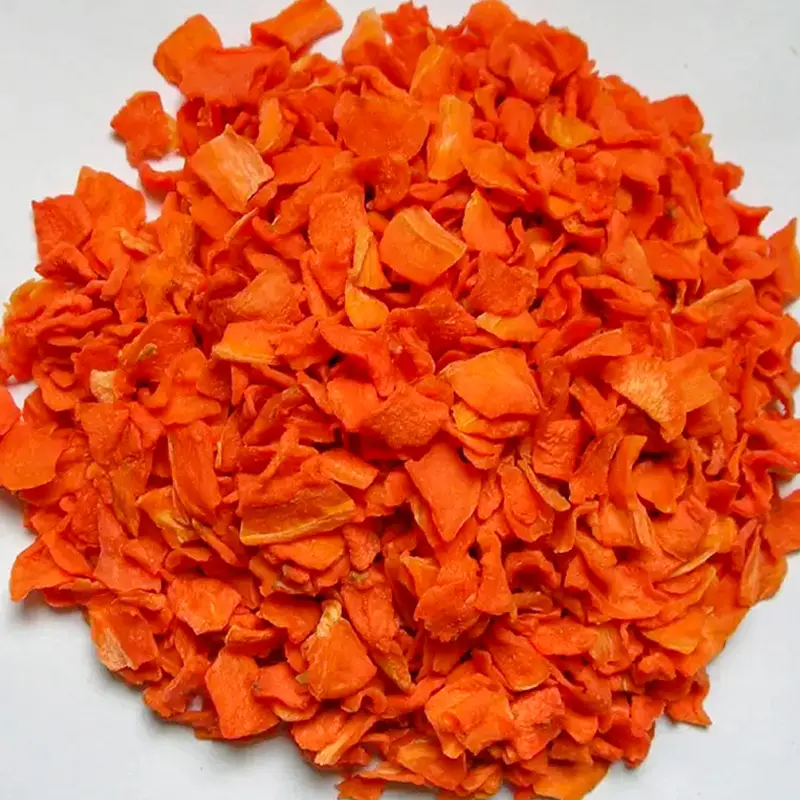
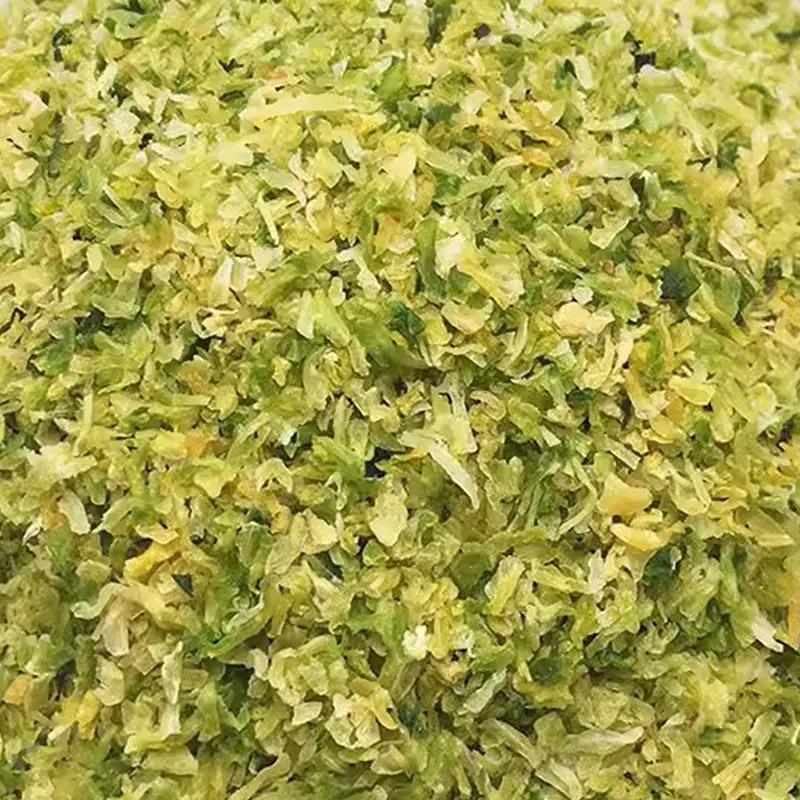
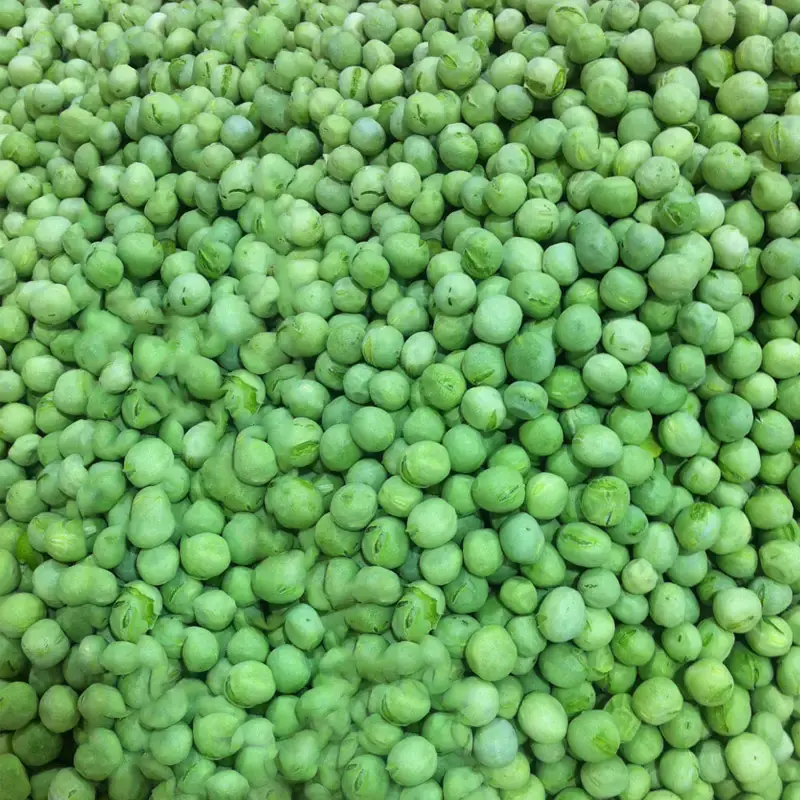
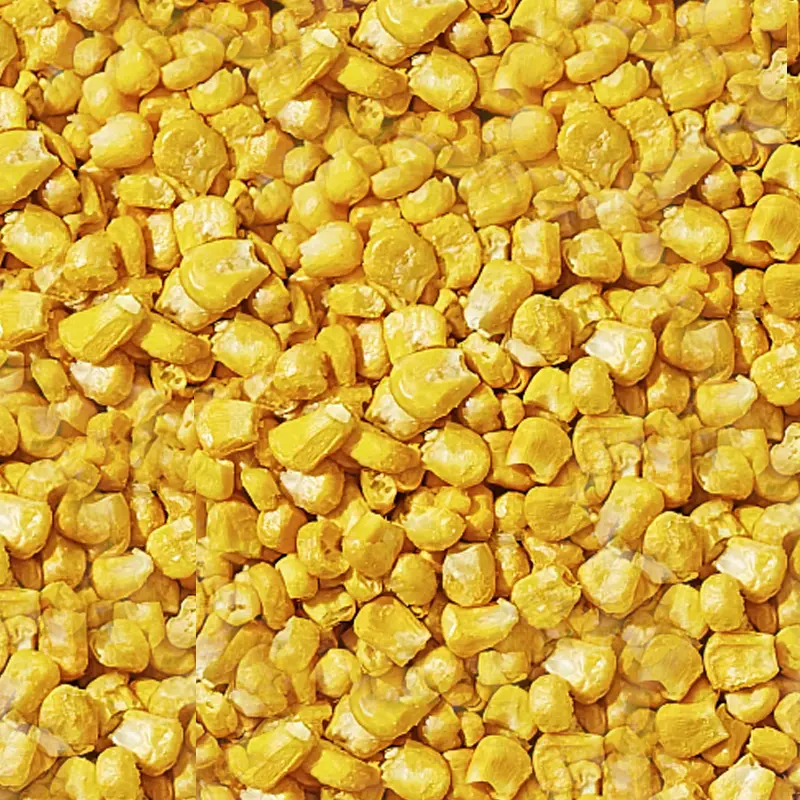
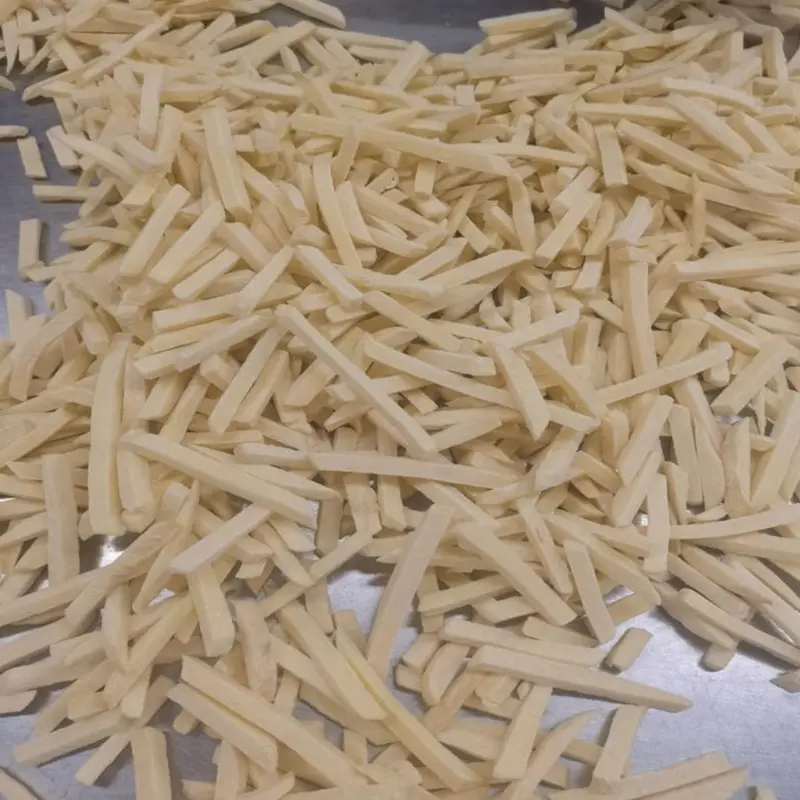
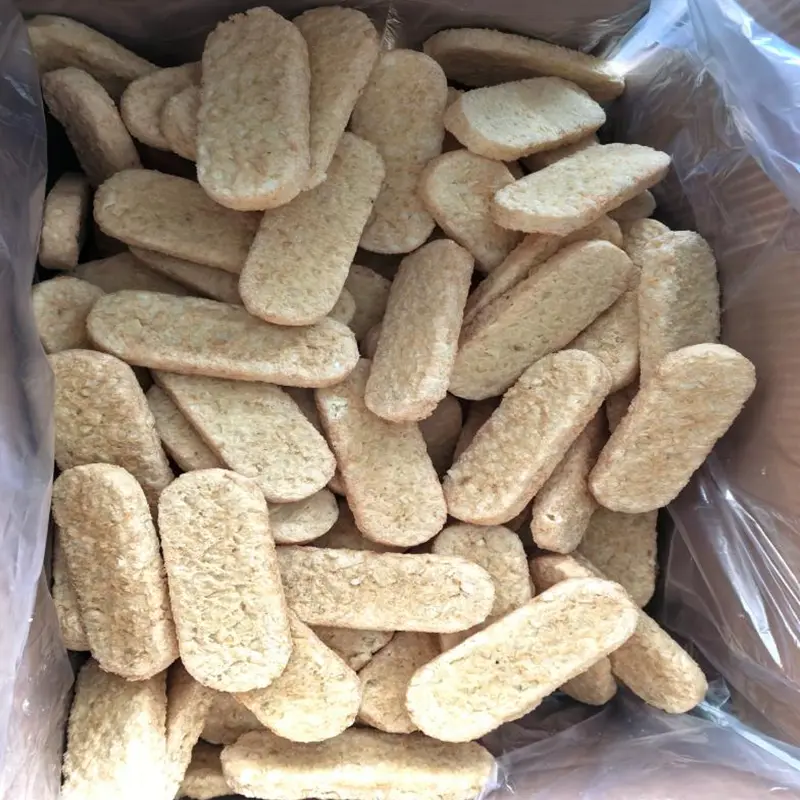
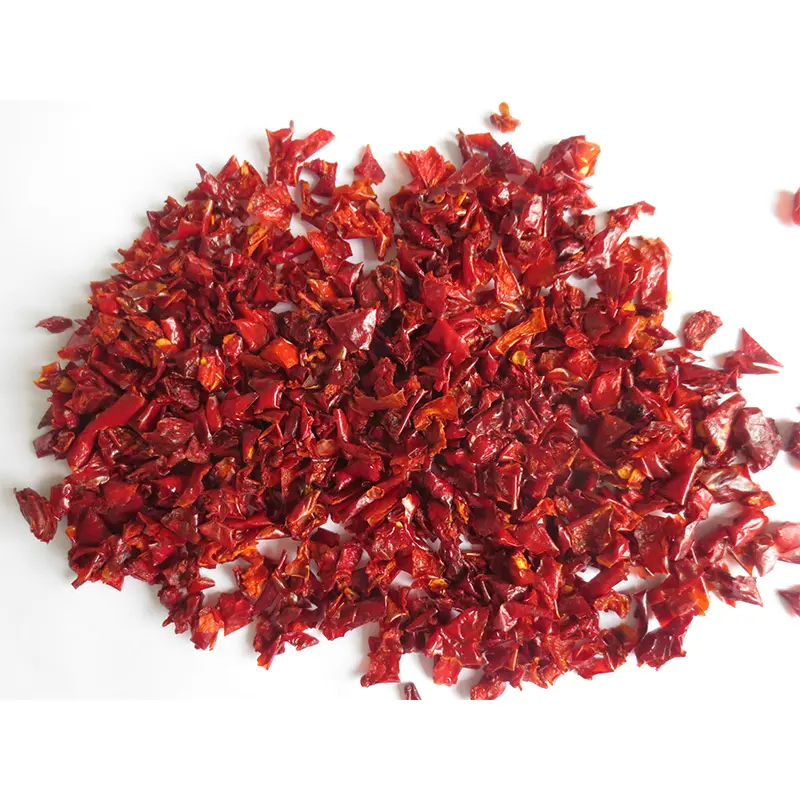
Vegetables and fruits processed through advanced drying technologies (AD/FD), which remove water content to yield lightweight, space-saving products with an extended shelf life. Available in various forms like slices, granules, and powder.
Key advantages include:
High Efficiency & Stability: offering an extremely reliable supply chain.
Nutrient: Locks in natural nutrients and flavors
Wide usage: Rehydrated for soups/ready meals; powders are widely used in seasonings, nutritional fortification, and solid beverages.
As essential base ingredients for the food industry, we provide stable, high-quality dehydrated products to support your innovation and cost-control initiatives.
How to Use Dehydrated Vegetables and Fruits?
Dehydrated fruits and vegetables can be utilized in numerous ways, including:
Soaking Before Cooking: Soak the dehydrated components in either warm or clean water for a few minutes. This will allow them to regrow their original shape, then utilize them in soups, stir-fries, or baking.
Direct Consumption: Some dehydrated fruits, such as apple slices, banana chips, and dried blueberries, can be consumed directly as food.
Baking and Additives for culinary use: They can be sliced and incorporated into bread, cakes, cereals, or salads to increase the flavor and texture.
long-term storage: store in a sealed container in a dry, cool place that is easy to access. This eliminates the need for frequent purchases of fresh fruit and vegetables.