Frozen Fruit

Product Categories

Featured products

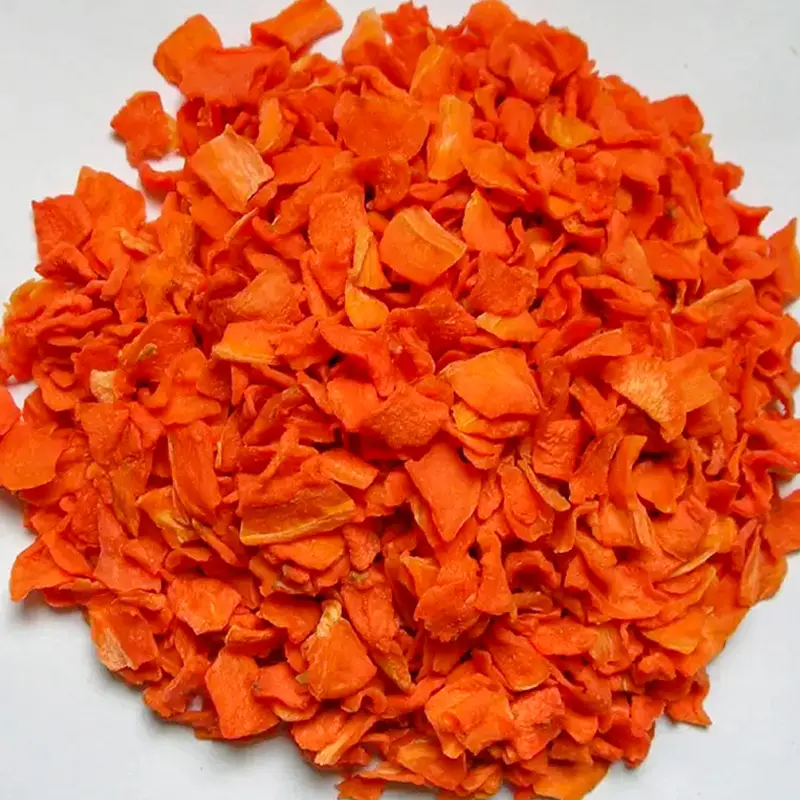
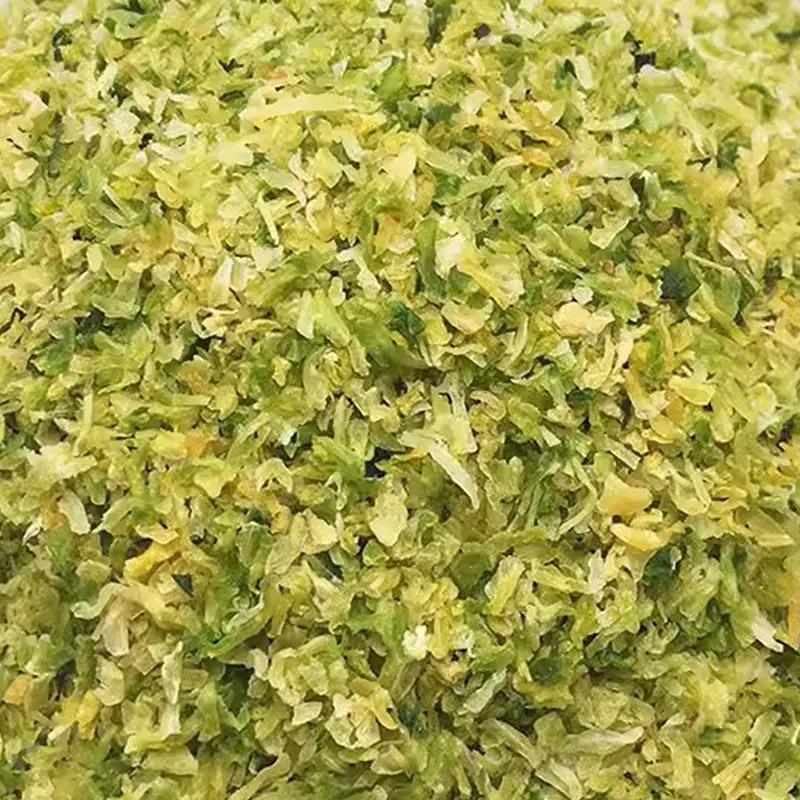
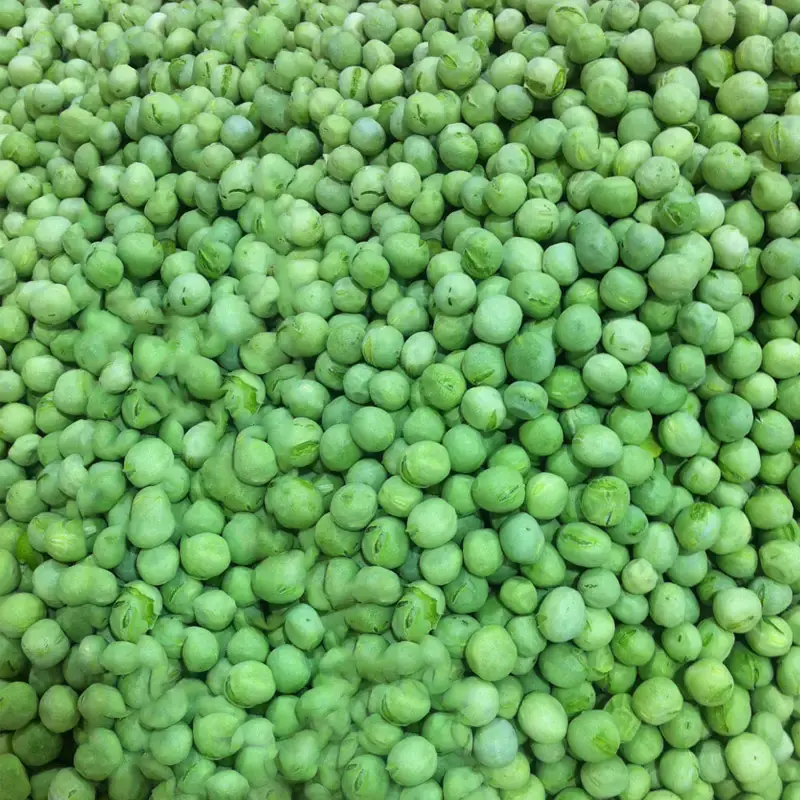
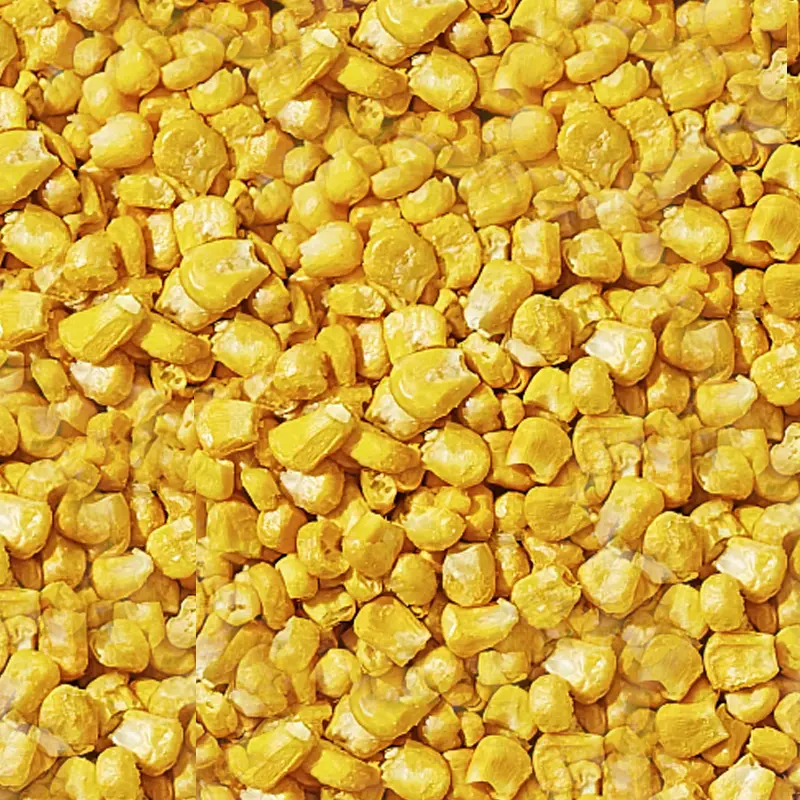
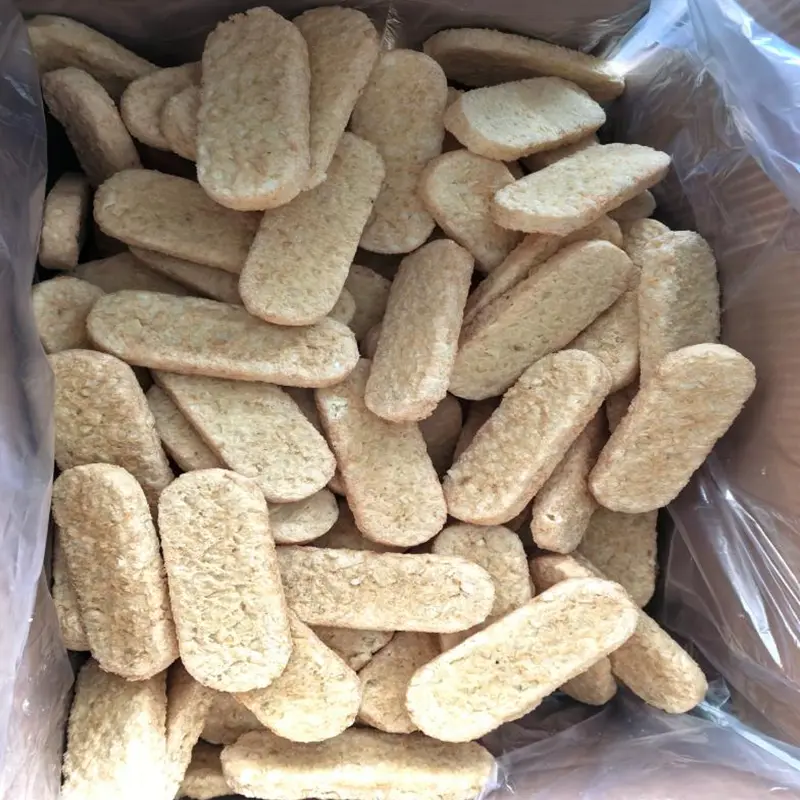
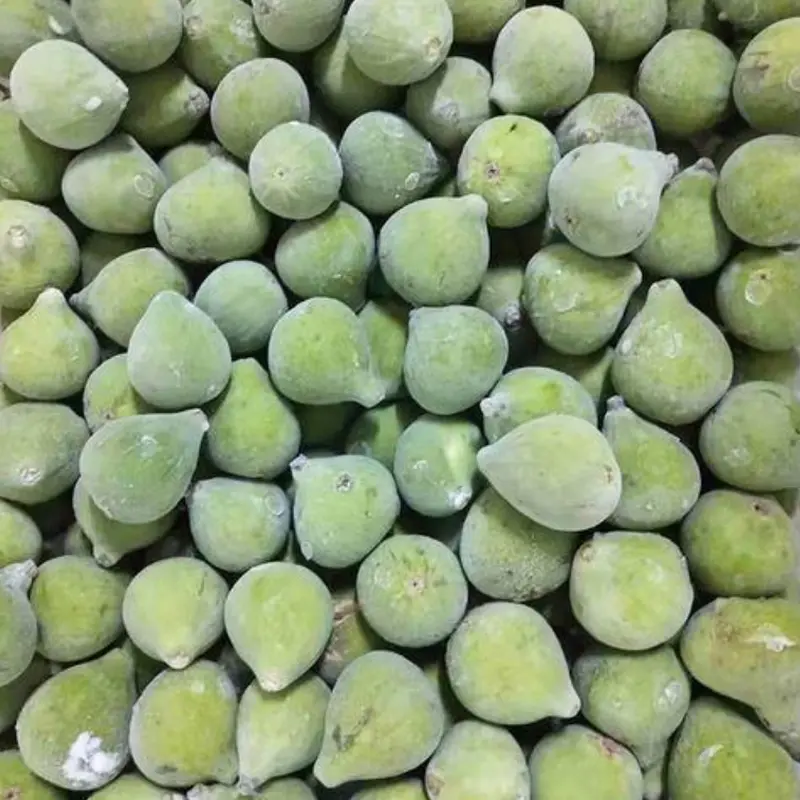
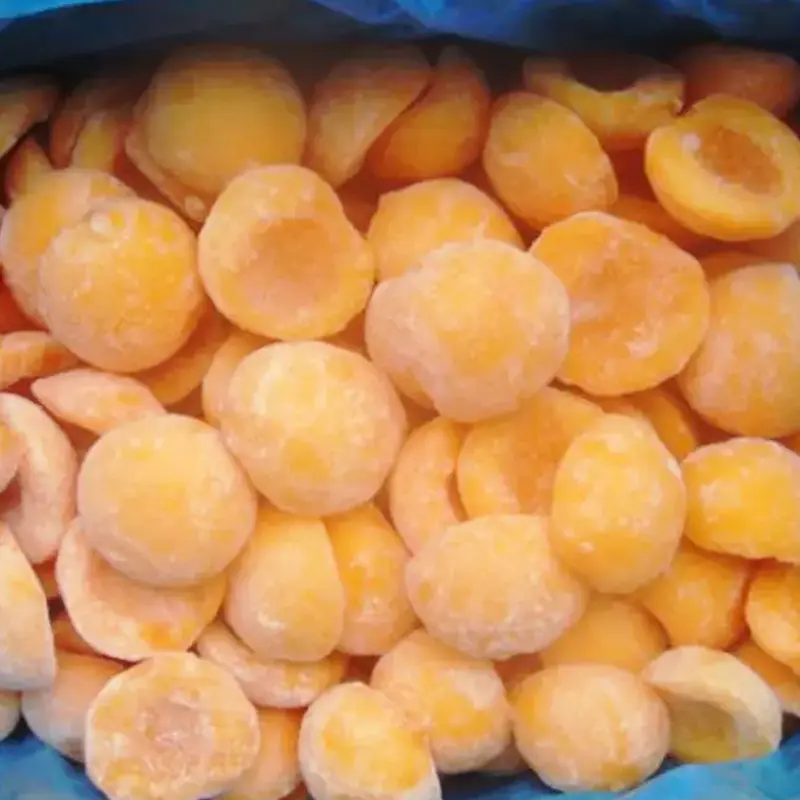
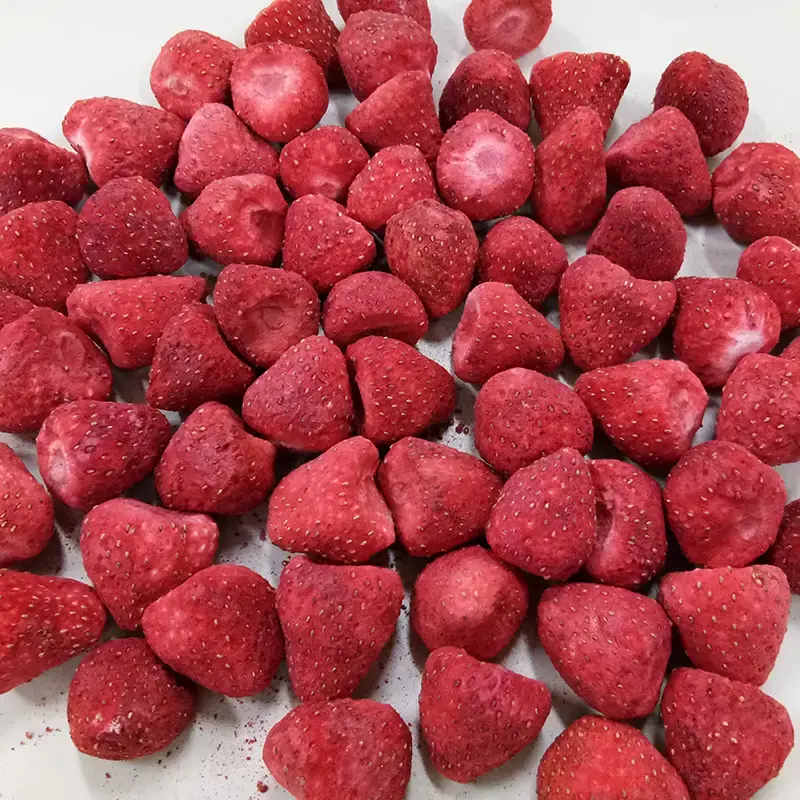
Fruits processed through Quick Freezing (IQF) technology. Available in various forms, including whole, cut, and diced, they are sourced from select orchards and processed to lock in natural color, nutrition, and flavor. These standardized, high-quality products ensure year-round production stability for clients and are widely used in the beverage, food manufacturing, and foodservice industries.​

Are Frozen Fruits Healthy?

Yes, frozen fruits are said to be healthily frozen – they are often more nutritious than fresh fruits, and in some instances, they are even more so.

The primary cause is the quick-freezing ability of the crop. Freezing preserves the majority of the fruit’s nutritional value, vitamins, and antioxidants.

Healthy Eating: The nutritional benefits of frozen fruit are numerous.

Rich in Fiber: Freezing doesn’t affect the natural fiber composition of fruit.

No Preservatives: Freezing is a natural preservative; as a result, no chemical supplements are necessary.

Antioxidant Protection: Phenols and flavonoids are still effective following freezing.

Reduced Food Waste: You can utilize only the necessary portion and store the rest in a safe manner.

  • Spec:customer’s requirement
  • Packing:20kg/ctn according to customer’s requirement
  • Spec:customer’s requirement
  • Packing:20kg/ctn according to customer’s requirement

What Should You Consider When Buying Frozen Fruits?

When purchasing frozen fruit that is intended for home use, food processing, or retail, there are several critical factors that need to be considered in order to ensure the quality and safety of the product.

  • Freezing Technology

Decide on products utilizing the IQF (Individual Quick Freezing) method. This guarantees that fruit doesn’t cluster together and maintains its original shape and texture following the thawing process.

  • Appearance and Color

High-quality frozen fruits should have vibrant, natural colors that lack ice crystals or frost damage. Freezing temperatures may be too high or too low, which would indicate fluctuations in temperature during storage or transportation.

  • Purity and Composition

Examine the ingredient’s label with care. The most frozen fruits are completely fruit-based, without added sugar, syrup, or preservatives. Healthy products are typically more nutritious and diverse.

  • Packaging quality

The packaging should be impermeable to air and water, and have a clearly marked production date, expiry date, and storage conditions. Vacuum-sealed bags or nitrogen gas cylinders help maintain quality.

  • Conditions of storage

Ensure that the frozen fruits are maintained at a consistent temperature of -18°C (0°F) or below. Temperature fluctuations can lead to thawing and refreezing, which negatively affect the quality.

  • Suppliant Certification

Always choose suppliers that have international food safety licenses like HACCP, ISO22000, BRC, or FDA. Certified suppliers ensure hygiene, traceability, and export compliance.


Tell me what you need

Tell me what you need